
Check and refill the brake fluid
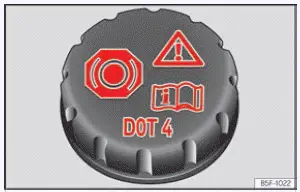
Fig. 210 Engine compartment: brake fluid reservoir cap.
Checking the brake fluid level
The brake fluid level in the Seat Ateca must remain between the  and
 markings on the reservoir. These indicators show the permitted operating range and allow the fluid level to be checked during routine vehicle inspections. Maintaining the correct level is essential for reliable operation of the hydraulic braking system.
If the brake fluid level decreases noticeably over a short period, or falls below the  marking, there may be a leak or another fault within the braking system. A sudden or substantial reduction in fluid level should never be regarded as normal, as it may indicate that the hydraulic system is no longer operating under the required conditions.
Seek assistance from a qualified specialist workshop if an abnormal reduction in brake fluid is detected. The Seat Ateca also monitors the brake fluid level electronically and uses a warning lamp in the instrument cluster to alert the driver when the level becomes dangerously low. This warning requires immediate attention because the braking system is directly responsible for vehicle safety.
 Brake fluid level
The brake fluid warning lamp illuminates red in the instrument cluster when the monitoring system detects a condition requiring immediate attention. A red warning indicates a potentially serious problem with the braking system and must not be ignored.
The brake fluid level is too low. Under these circumstances, the hydraulic braking system may not function correctly, and the vehicle should not be driven until the cause has been identified and the necessary corrective action has been taken.
 Stop driving! Bring the vehicle to a safe stop as soon as conditions permit. Do not continue the journey while the low brake fluid warning remains active.
- Check the brake fluid level in the reservoir, following the safety precautions for working in the engine compartment. Compare the visible fluid level with the minimum and maximum markings to determine whether it is within the permitted range.
- If the brake fluid level is below the specified minimum, obtain assistance from qualified specialist personnel. The braking system must be checked to establish why the fluid level has fallen and whether any repairs are necessary before the vehicle can be used safely again.
Changing brake fluid
SEAT recommends having the brake fluid replaced by an authorised Technical Service or another suitably qualified specialist workshop. Brake fluid replacement requires appropriate procedures to ensure that the hydraulic braking system is filled with the correct fluid and remains free from conditions that could impair braking performance. A specialist can also inspect the system for signs of leakage, deterioration or other faults while carrying out the service.
WARNING An insufficient brake fluid level, unsuitable brake fluid or fluid that has deteriorated through age and use can seriously compromise the operation of the braking system. Braking effectiveness may be reduced, stopping distances may increase, and in severe cases the brakes may fail completely. These conditions create a serious risk of accidents and injuries.
- Inspect the braking system and check the brake fluid level regularly. Pay attention to any unexpected changes in the level or warning indications in the instrument cluster. If a problem is suspected, arrange for the braking system to be examined by a qualified specialist without delay.
- Brake fluid can absorb moisture over time. When aged brake fluid is subjected to the high temperatures generated during particularly demanding braking, vapour bubbles may develop inside the hydraulic braking system. This is especially dangerous when the brakes are repeatedly or heavily applied, because the fluid must transmit braking pressure reliably under these conditions.
Unlike liquid brake fluid, vapour can be compressed. The formation of vapour bubbles can therefore substantially reduce the pressure transmitted through the braking system, resulting in weaker braking performance and a considerable increase in stopping distance. In extreme circumstances, the hydraulic brakes may cease to function effectively, potentially causing complete brake system failure.
- Always use brake fluid that meets the specification required for the Seat Ateca. The prescribed fluid must expressly comply with the VW 501 14 standard. Do not select brake fluid solely on the basis of its appearance or a general description of its intended use, as the correct specification is essential for proper braking system operation.
- Brake fluid conforming to VW 501 14 can be obtained from an authorised SEAT dealership or SEAT Official Service. If this specified product is unavailable, use only high-quality brake fluid that meets DIN ISO 4925 CLASS 4 or the United States FMVSS 116 DOT 4 standard. Make sure the replacement fluid complies with the stated requirements before it is introduced into the braking system.
- Brake fluid used for replacement must always be new. Do not reuse previously drained fluid or introduce fluid whose condition cannot be verified. Using fresh, suitable brake fluid helps preserve the hydraulic properties required for dependable braking performance.
- Store brake fluid exclusively in its original container, with the cap securely closed, and keep it in a safe location beyond the reach of children. Brake fluid is hazardous if swallowed and can cause poisoning. Never transfer it into drinking bottles, food containers or other packaging that could lead someone to mistake it for a consumable product.
NOTICE Avoid allowing brake fluid to come into contact with the painted surfaces of the Seat Ateca. Brake fluid can attack and damage the vehicle's paint finish, potentially causing permanent deterioration of the affected coating. Handle containers carefully during inspection or servicing and prevent fluid from dripping or spilling onto surrounding bodywork.
Note Brake fluid is an environmentally harmful substance and must not be released into the ground, drainage systems or natural water sources. Used brake fluid requires appropriate collection and disposal rather than being discarded with ordinary household waste.
Collect any spilled or drained brake fluid in a suitable container and arrange for its disposal by a qualified professional or an authorised waste collection facility. Proper handling helps prevent environmental contamination and ensures that the fluid is treated according to the applicable disposal requirements.
 Check and refill the coolant
Fig. 208 In the front compartment: marking on
coolant expansion tank.
Fig. 209 Front compartment: coolant
expansion tank cap.
Preliminary steps
Before checking or adding eng ...
 Windscreen washer reservoir
Checking the level of the windscreen washer reservoir and refilling it
Fig. 211 In the engine compartment: blue cap of the windscreen washer reservoir.
Check the fluid level in the windscr ...
Other materials:
Settings
A. Clock
B. Display
C. Sound
D. Vehicle
E. Settings
F. Help
Under this menu, you can set your clock, access and adjust the
display, sound and vehicle settings as well as access settings for
specific modes or the help feature.
Clock
Note: You cannot manually set the date. Your vehicle†...
Fuel Charging and Controls - 2.0L GTDI
SPECIFICATIONS
Material
Torque Specifications
a Refer to the procedure in this section.
DESCRIPTION AND OPERATION
Fuel Charging and Controls
Component Locations
WARNING: Do
not smoke, carry lighted tobacco or have an open flame of any type when working
on or near any fuel-related component. ...
Introduction
The auxiliary heating and ventilation system allows the Seat Ateca passenger compartment to be prepared for different weather conditions before a journey begins. During winter, auxiliary heating can warm the interior and help clear condensation, ice or even a thin layer of snow from the windscreen. ...
