
Checking the level of the windscreen washer reservoir and refilling it
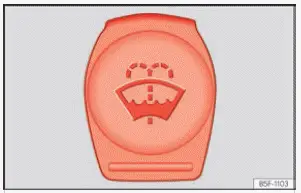
Fig. 211 In the engine compartment: blue cap of the windscreen washer reservoir.
Check the fluid level in the windscreen washer reservoir regularly and replenish it whenever necessary. Maintaining an adequate supply of washer fluid allows the windscreen cleaning system to remove dirt and deposits that could otherwise interfere with the driver's view. The reservoir should be checked more frequently when road conditions require repeated use of the washers.
The windscreen washer reservoir in the Seat Ateca supplies cleaning fluid for both the front windscreen and the rear window. The fluid helps loosen and remove road dirt, dust and other deposits from the glass when the corresponding washer system is operated. Using an appropriate cleaning mixture is important for maintaining clear visibility in different driving conditions.
A sieve is fitted inside the filler neck of the washer fluid reservoir. Its purpose is to trap relatively large particles of dirt and debris while the reservoir is being filled, preventing them from entering the washer system and reaching the spray nozzles. Do not remove this sieve unless it needs to be cleaned. If the sieve is missing, incorrectly fitted or damaged, foreign particles may enter the reservoir during filling and subsequently obstruct the washer jets. Blocked nozzles can reduce the effectiveness of the cleaning system or prevent washer fluid from reaching the glass properly.
- Open the bonnet as described on page 305, following the specified procedure and ensuring that the bonnet is securely supported before accessing the washer reservoir. Take care when working near other components in the engine compartment.
- Locate the windscreen washer reservoir by identifying the symbol on its filler cap. The cap is blue, as shown in Fig. 211, making the reservoir easier to distinguish from the containers used for other vehicle operating fluids. Confirm that you have selected the correct filler opening before adding any liquid.
- Check whether the reservoir contains enough washer fluid for continued operation. If the level is low, refill it with a suitable cleaning mixture, taking care to prevent dirt from entering the filler neck.
Plain water alone is generally insufficient to remove all the dirt and deposits that accumulate on the windscreen and headlights. SEAT therefore recommends adding an appropriate windscreen cleaning product to the washer fluid. A suitable detergent improves cleaning effectiveness and helps maintain a clear view through the glass, particularly when it is exposed to road grime.
The windscreen washer reservoir has an approximate capacity of 3 litres. When refilling, add the appropriate washer fluid carefully and avoid unnecessary spillage around the filler opening. The amount required will depend on how much liquid remains in the reservoir.
NOTICE If the windscreen washer fluid does not contain sufficient antifreeze protection, it may freeze on the windscreen or rear window when used in low temperatures. Ice forming on the glass can seriously restrict visibility to the front or rear of the vehicle, creating hazardous driving conditions. The washer fluid mixture must therefore be suitable for the expected outside temperatures.
- During winter, make sure that the washer reservoir contains a sufficient concentration of an appropriate antifreeze product. Select a mixture that provides protection against the temperatures expected in the area where the Seat Ateca will be driven. Insufficient frost protection may cause the fluid to freeze and prevent the washer system from operating effectively.
- In cold weather, do not operate the windscreen washer system until the windscreen has been warmed sufficiently using the vehicle's ventilation and heating system. Even washer fluid containing antifreeze may freeze on a very cold glass surface, producing an icy layer that obstructs the driver's view. Wait until the windscreen is adequately warmed before using the washers if there is a risk of freezing.
NOTICE Never add unsuitable antifreeze products or other unapproved additives to the windscreen washer reservoir. Certain substances may react with the washer fluid or leave a greasy film on the glass. Such deposits can be difficult for the wiper blades to remove and may seriously impair visibility, particularly when driving in rain or under conditions that produce glare.
- Use clean water combined with a windscreen cleaning product recommended by SEAT. The cleaning mixture should be suitable for automotive glass and the vehicle's washer system, providing effective removal of dirt without leaving unwanted deposits on the windscreen.
- Where frost protection is necessary, add a suitable antifreeze product intended for use in windscreen washer systems. Follow the product instructions when preparing the mixture so that the fluid provides adequate protection for the prevailing temperatures without compromising its cleaning properties.
NOTICE
- Do not mix windscreen cleaning products recommended by SEAT with other cleaning agents unless their compatibility has been established. Mixing different formulations may cause the ingredients to react and form suspended particles or deposits, a process known as flocculation. These deposits can obstruct the washer jets and interfere with the proper distribution of fluid across the glass.
- Whenever operating fluids are topped up, check carefully that each liquid is being added to its designated reservoir. The windscreen washer system, cooling system, braking system and other vehicle components require different fluids that are not interchangeable. Pouring an incorrect liquid into a reservoir may cause serious malfunctions or damage to the affected system.
- Do not allow the windscreen washer reservoir to remain empty. Without an adequate supply of washer fluid, dirt and road deposits may accumulate on the windscreen and cannot be removed effectively by the washer system. This can obstruct the driver's field of vision and reduce safety, especially in poor weather or when the glass becomes heavily soiled.
 Brake fluid
Check and refill the brake fluid
Fig. 210 Engine compartment: brake fluid reservoir cap.
Checking the brake fluid level
The brake fluid level in the Seat Ateca must remain between the an ...
 Engine oil
...
Other materials:
Brakes
GENERAL INFORMATION
Note: Occasional brake noise is normal. If a metal-to-metal, continuous
grinding or continuous squeal sound is present, the brake linings may be
worn out. Have them inspected by an authorized dealer. If your vehicle
has continuous vibration or shudder in the steering wheel wh ...
WLAN access point
Introduction
The Seat Ateca infotainment system can function as a wireless local area network (WLAN) access point, allowing up to eight compatible devices to share a WLAN connection. This feature makes it possible to connect smartphones, tablets and other Wi-Fi-enabled equipment to the vehicle's ...
Interior monitoring and anti-tow system
The interior monitoring system is designed to detect movement inside the Seat Ateca while the vehicle is locked and the anti-theft alarm is active. If movement is detected within the passenger compartment, the monitoring system triggers the alarm, providing an additional level of protection against ...
