
Automatic rear window wiper
The rear window wiper of the Seat Ateca can operate automatically when reverse gear is selected. If the windscreen wipers are already switched on, engaging reverse gear activates the rear wiper without requiring the driver to operate its control separately. This function helps maintain visibility through the rear window when reversing in rain or other conditions that require the windscreen wipers to be used.
The automatic activation of the rear window wiper when reverse gear is engaged can be enabled or disabled through the vehicle settings menu in the infotainment system. Drivers can therefore choose whether the rear wiper should operate automatically during reversing manoeuvres or remain under manual control. The selected setting determines how the rear wiper responds when reverse gear is engaged while the front windscreen wipers are operating.
Heated windscreen washer nozzles
The heated windscreen washer nozzles are designed to thaw frozen washer outlets and help maintain the operation of the windscreen washing system in cold weather. When the ignition is switched on, the heating output is regulated automatically according to the ambient temperature. This allows the nozzle heating function to respond to the prevailing conditions without requiring a separate adjustment by the driver.
The heating system acts directly on the washer nozzles, helping to prevent ice from obstructing the points where washer fluid is sprayed onto the windscreen. However, it does not heat or defrost the flexible hoses that carry washer fluid from the reservoir to the nozzles. If the fluid has frozen inside these pipes, heating the nozzles alone will not restore the flow of washer fluid. The washer fluid must therefore provide suitable protection against freezing temperatures.
Note When the windscreen washer has been operated, the wipers perform an additional wiping movement approximately 5 seconds later, provided that the vehicle is moving. This delayed movement, known as the "drip" function, is intended to remove residual washer fluid that may run down the windscreen after the initial washing sequence has finished.
If the wipers are activated again less than 3 seconds after the drip function has operated, a new washing sequence begins without carrying out the final additional wipe. To make the drip function available again after this sequence, switch the ignition off and then switch it back on. The function will subsequently operate according to its normal conditions.
Note If an obstacle prevents the windscreen wipers from completing their movement, the wiper system initially attempts to clear the obstruction. If the obstacle continues to block the wiping path, the wipers stop moving to prevent continued operation against the obstruction. Remove the object or other material preventing the blades from moving freely, then switch the wipers on again. Do not attempt to force the wiper arms through an obstruction.
Rain and light sensor
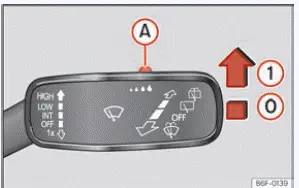
Fig. 84 Windscreen wipers lever: adjust the rain sensor A.
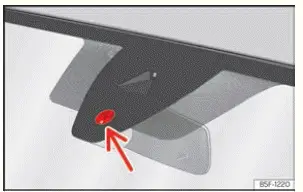
Fig. 85 Sensitive surface of the rain sensor.
The rain sensor automatically regulates the operation of the windscreen wipers according to the amount of moisture detected on the glass. Instead of requiring the driver to select a fixed intermittent wiping interval, the system responds to changing rainfall conditions and adjusts the frequency of wiping movements as necessary. This can reduce the need for repeated manual adjustments when the intensity of rain varies during a journey.
To select the required operating mode, move the windscreen wiper lever to the appropriate position shown in Fig. 84. The lever determines whether automatic rain-sensitive wiping is enabled, while the adjustment control allows the driver to change how readily the system responds to moisture on the windscreen.
0 Rain sensor deactivated. In this position, automatic wiping controlled by the rain sensor is switched off. The system does not initiate wiping movements in response to detected rainfall, and the driver must select another wiper operating mode when the windscreen needs to be cleared.
1 Rain sensor active; automatic wiping if necessary. Selecting this position enables the rain sensor. The windscreen wipers then operate automatically when the system detects sufficient moisture on the glass. The wiping frequency is adjusted according to the detected conditions, allowing the system to respond to changes in rainfall without continuous intervention by the driver.
A Setting sensitivity level of rain sensor: The adjustment control marked A in Fig. 84 changes the sensitivity of the automatic wiping function. This setting determines how readily the rain sensor responds to moisture and allows the driver to adapt its operation to personal preference and the prevailing conditions.
- Move the adjustment control towards the right to increase the rain sensor's sensitivity. With a higher sensitivity setting, the system responds more readily to moisture detected on the windscreen and may initiate wiping sooner or operate the wipers more frequently.
- Move the adjustment control towards the left to reduce the rain sensor's sensitivity. At a lower setting, the system is less responsive to small amounts of moisture, so wiping may begin later or occur less frequently under comparable conditions.
If the ignition is switched off and subsequently switched on again, the rain sensor remains activated if it was previously selected. However, automatic wiping resumes when the windscreen wiper lever is in position 1, as illustrated in Fig. 84, and the vehicle is travelling at a speed exceeding 16 km/h (10 mph). The driver does not need to select the rain sensor function again after restarting the vehicle, provided that the lever remains in the appropriate position.
Abnormal operation of the rain and light sensor
The rain sensor relies on accurate detection of moisture within its sensitive area on the windscreen, indicated by the arrow in Fig. 85. Dirt, damage and certain substances on the glass can interfere with this detection process, causing the wipers to operate unexpectedly or preventing them from responding correctly to rainfall. Several conditions can lead to unusual sensor behaviour or incorrect interpretation of the windscreen surface:
- Damaged wipers: Worn or damaged wiper blades may leave a thin film of water on the glass instead of removing moisture evenly. This residual water can affect the rain sensor's readings, potentially increasing the time before the wipers are activated, changing the intervals between wiping movements or causing the system to select rapid, continuous wiping. Maintaining the wiper blades in good condition helps the sensor receive a more consistent indication of the amount of water on the windscreen.
- Insects: Insects striking the windscreen in the rain sensor's detection area may cause the system to interpret the impact or resulting contamination as moisture. This can trigger an unexpected wiping movement even when it is not raining. Such reactions may occur when insect remains affect the sensitive surface.
- Road salt: During winter, salt deposited on the windscreen by road spray can interfere with the sensor's assessment of surface moisture. As a result, the wipers may continue operating for an unusually long period even when the windscreen is almost dry. Salt deposits can therefore cause wiping behaviour that does not correspond to the actual amount of rain.
- Dirt and surface coatings: Dry dust, wax, water-repellent glass coatings with a Lotus effect and detergent residues left after washing the vehicle can all influence the operation of the rain sensor. These substances may alter how moisture spreads across the glass or interfere with its detection. Depending on the type and extent of contamination, the sensor may respond more slowly, activate the wipers later than expected, become less sensitive or fail to react altogether.
Clean the rain sensor's sensitive area on the windscreen regularly, paying particular attention to the section identified by the arrow in Fig. 85. Keeping this area free from dirt, wax and other deposits helps maintain reliable moisture detection. At the same time, inspect the windscreen wiper blades for wear or damage, as blades that fail to clear the glass properly can also affect the sensor's operation.
- Windscreen cracks or stone impacts: If a stone strikes the windscreen while the rain sensor is active, the impact may trigger a single wiping cycle. The sensor then recognises the change affecting its sensitive surface and adjusts its operation accordingly. The resulting behaviour can vary depending on the size and location of the impact. Damage within the sensor's detection area may therefore influence how the automatic wiping system responds, even when the amount of moisture on the glass has not changed.
WARNING The rain sensor may not always detect rainfall accurately or activate the windscreen wipers when they are needed. Certain weather conditions, contamination or damage to the sensitive area can prevent the automatic system from responding correctly. If water accumulates on the windscreen without being removed, the driver's forward visibility may be seriously reduced, increasing the risk of an accident.
- Always monitor visibility through the windscreen, even when the automatic rain sensor is activated. If rainwater or road spray obstructs the view and the wipers do not operate adequately, switch them on manually and select a suitable wiping speed. Do not rely exclusively on the rain sensor when visibility is impaired.
Note
- An alcohol-based glass cleaner is recommended for removing wax deposits and surface coatings that may interfere with the rain sensor. Cleaning the sensitive area thoroughly can help restore normal detection when contamination is responsible for irregular wiping behaviour. Use a suitable glass-cleaning product and avoid leaving residues on the windscreen.
- Do not attach stickers or other adhesive materials to the windscreen in front of the rain sensor. Covering or partially obstructing its sensitive area can interfere with moisture detection and cause incorrect operation or failure of the automatic wiping function. Keep the sensor's field of operation clear at all times.
 Wiper lever
Fig. 83 Operation of windscreen wipers and
rear window wiper system.
The windscreen and rear window wipers are operated using the wiper lever beside the steering wheel. The lever provides s ...
 Mirrors
...
Other materials:
Interior cleaning
The interior of the Seat Ateca contains a variety of materials, including glass, plastics, decorative trim, upholstery and leather, each of which requires an appropriate cleaning method. Regular care helps maintain the appearance of the passenger compartment and prevents dirt from becoming deeply em ...
Fuses in the engine compartment
Fig. 202 In the engine compartment: lid of the
fuse box.
The engine compartment contains a separate fuse box protecting electrical circuits associated with equipment installed in this area and other vehicle systems. Its protective lid is secured by locking tabs and must be removed carefu ...
Appendices
GENERAL INFORMATION
SYNC® End User License Agreement (EULA)
• You have acquired a device (“DEVICE�) that includes software
licensed by Ford Motor Company and its affiliates (“FORD MOTOR
COMPANY�) from an affiliate of Microsoft Corporation (“MS�). Those
installed software products ...
