
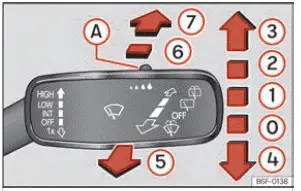
Fig. 83 Operation of windscreen wipers and
rear window wiper system.
The windscreen and rear window wipers are operated using the wiper lever beside the steering wheel. The lever provides several wiping speeds and functions, allowing the driver to adjust the operation of the wipers according to rainfall, road spray and other conditions affecting visibility through the glass. Depending on the vehicle's equipment, intermittent wiping may be controlled manually or automatically by a rain sensor. Move the lever to the required position shown in Fig. 83 to select the corresponding function:
 0 Windscreen wipers switched off. In this position, the normal windscreen wiping function is inactive. Select this setting when wiping is no longer required or before leaving the vehicle, particularly when there is a possibility of snow or ice forming on the windscreen.
 1 Intermittent windscreen wiping or rain sensor activation, depending on the equipment fitted. On vehicles with conventional intermittent wiping, the wipers operate at intervals rather than continuously. The frequency of wiping is influenced by the vehicle's speed: as driving speed increases, the interval between wiping movements becomes shorter, resulting in more frequent wiping. On vehicles equipped with a rain sensor, this position activates automatic wiping control, allowing the system to respond to moisture detected on the windscreen.
 2 Slow continuous wiping. The windscreen wipers operate steadily at their lower continuous speed. This setting is suitable when the windscreen requires regular wiping and intermittent operation is no longer sufficient to maintain a clear view.
 3 Fast continuous wiping. The wipers operate at their higher continuous speed to clear water from the windscreen more frequently. This setting is intended for conditions in which a slower wiping speed does not adequately maintain visibility.
 4 Short wiping operation. Move the lever to this position to perform a brief wipe of the windscreen. Holding the lever in this position for longer increases the wiping action, allowing the driver to clear the glass more quickly when a single movement is insufficient.
 5 Pull the lever towards you to activate the automatic windscreen washer and wiper function. The washer system applies cleaning fluid to the windscreen while the wipers operate to remove dirt and moisture. When this function is used, the Climatronic system automatically activates air recirculation for approximately 30 seconds. This temporarily reduces the intake of outside air to help prevent the smell of windscreen washer fluid from entering the passenger compartment through the ventilation system.
 6 Activates the intermittent rear window wiper. In this setting, the rear wiper operates periodically, with an interval of approximately 6 seconds between wiping movements. This helps keep the rear window clear of moisture or light road spray without requiring continuous wiping.
 7 Press and hold the lever in the indicated position to activate the automatic rear window washer and wiper function. The washer supplies cleaning fluid to the rear window while the rear wiper operates, allowing dirt and other deposits to be removed from the glass. The function remains activated while the lever is held in the required position.
 A A Adjustment control for the windscreen wiping function. On vehicles without rain and light sensors, this control changes the duration of the intervals between intermittent wiping movements. On vehicles equipped with a rain sensor, the same control adjusts the sensor's sensitivity, influencing how readily the automatic wiping system responds to moisture on the windscreen.
WARNING If the windscreen washer fluid does not contain sufficient antifreeze for the prevailing temperature, it may freeze when sprayed onto the glass. Frozen washer fluid can form an opaque layer across the windscreen, seriously restricting the driver's forward view. This can create a dangerous situation, particularly if visibility is suddenly reduced while the vehicle is moving.
- In winter conditions, do not operate the windscreen washer and wiper system until the windscreen has been adequately warmed using the vehicle's heating and ventilation system. Make sure the glass is sufficiently warm to prevent the washer fluid from freezing when it comes into contact with the surface.
If the washer fluid freezes on the windscreen, it can obstruct the driver's view of the road and surrounding traffic. Always use washer fluid with suitable frost protection and ensure that the windscreen can be cleaned safely before operating the washer system in freezing temperatures.
WARNING Worn, damaged or dirty wiper blades may fail to remove water and dirt effectively from the windscreen or rear window. Poor wiping performance can leave streaks, smears or areas of reduced visibility, making it harder to recognise obstacles, pedestrians and other vehicles. Driving with inadequate visibility increases the risk of serious accidents and injuries, especially in rain or other adverse weather conditions.
- Replace the wiper blades whenever they are worn, damaged or no longer clean the glass adequately. Do not continue using blades that leave significant streaks, fail to maintain proper contact with the window or otherwise prevent a clear view. The wiper system must be in good working condition to provide reliable visibility when needed.
NOTICE Before setting off and before switching on the ignition, check the condition and position of the windscreen wipers to help prevent damage to the wiper blades, their drive motor and the glass. Snow, ice or blades frozen to the windscreen can prevent the wipers from moving freely, placing unnecessary strain on the mechanism and potentially damaging its components. Observe the following precautions:
- Make sure the wiper lever is in its neutral or switched-off position before switching on the ignition. This helps prevent the wipers from starting unexpectedly when the windscreen is covered with ice or the blades are obstructed.
- Remove accumulated snow and ice from the windscreen, rear window and wiper blades before operating the wiper system. Check that the blades can move freely across the glass and that their normal wiping path is not obstructed by frozen deposits.
- If a wiper blade has frozen to the glass, release it carefully before attempting to operate the wipers. Do not force the blade away from the window, as this could damage the rubber wiping edge or other parts of the wiper assembly.
SEAT recommends using a suitable de-icer spray to help release wiper blades that have frozen to the windscreen. Apply the product as appropriate and allow the ice to loosen before carefully separating the blades from the glass.
NOTICE Switch off the wipers before the glass becomes completely dry. Operating the wiper blades on a dry windscreen or rear window can increase friction between the rubber blades and the glass, potentially causing unnecessary wear or damage to the window surface. Use the wipers only when there is sufficient moisture or washer fluid to allow them to move smoothly across the glass.
Note
- When the Seat Ateca comes to a stop while the windscreen wipers are operating, the wiping system temporarily changes to the next lower wiping speed. This reduces the wiping frequency while the vehicle is stationary. The change is part of the normal operation of the wiper system and does not indicate a malfunction.
- During winter, the windscreen wipers can be moved into their service position to make it easier to lift the blades away from the glass when the vehicle is going to remain parked. This can be particularly useful in freezing conditions, when leaving the blades in contact with the windscreen may cause them to freeze to the glass. The service position provides easier access to the wiper blades without forcing them against their normal resting position.

 Wiper functions
Automatic rear window wiper
The rear window wiper of the Seat Ateca can operate automatically when reverse gear is selected. If the windscreen wipers are already switched on, engaging reverse gear ...
Other materials:
Fastening the safety belts
The front outboard and rear safety restraints in your vehicle are
combination lap and shoulder belts.
1. Insert the belt tongue into the
proper buckle (the buckle closest to
the direction the tongue is coming
from) until you hear a snap and feel
it latch. Make sure the tongue is
securely fa ...
Removal and Installation
Hood Latch
Removal and Installation
Remove the upper radiator sight shield.
Remove the 8 screws.
Remove the 4 bolts.
Remove the 2 pin-type retainers.
NOTE: Mark the position of the hood latch prior to removing the
hood latch bolts.Remove the 2 bolts and position t ...
Diagnosis and Testing
Roof Opening Panel
Special Tool(s)
Principles of Operation
Roof Opening Panel
The roof opening panel assembly uses an integrated motor and module to
operate the roof opening panel. The roof opening panel motor and module are
installed new as an assembly. The roof opening panel is an electronicall ...
