
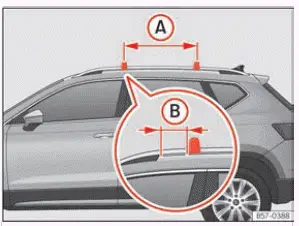
Fig. 180 Attachment points for the crossbars
for the roof carrier
The crossbars provide the mounting foundation for a range of specialised roof carrier systems designed for the Seat Ateca. Different types of cargo require suitable attachments to ensure they can be transported securely. Luggage, bicycles, skis, surfboards and boats must be carried using equipment specifically designed for the relevant type of load. These accessories help hold the transported items in position and reduce the risk of movement or detachment during driving. Compatible crossbars, roof carriers and specialised mounting accessories are available from SEAT dealerships.
Both the crossbars and the roof carrier system must be installed and secured correctly before any load is placed on the vehicle's roof. Follow the installation instructions supplied with the particular crossbars and carrier system, paying attention to the specified mounting positions, fastening arrangements and operating restrictions. Different accessories may have different installation requirements, so the instructions provided with the equipment must always take precedence over assumptions based on other carrier systems. Check that all components are firmly attached before loading the roof or starting a journey.
Installing the bars
The crossbars are mounted on the roof rails of the Seat Ateca. Their positioning is important for ensuring that the roof carrier system is supported correctly and that the load can be distributed across the intended mounting points. As illustrated in Fig. 180, the distance between the crossbars, identified by A, must be between 70 and 90 cm. In addition, the distance between the crossbars and the roof rail support brackets, indicated by B, must be 15 cm. Observe these measurements when positioning the bars and make sure that both crossbars are correctly aligned and securely fastened to the roof rails. Incorrect spacing or attachment may compromise the stability of the carrier system.
WARNING If the crossbars or roof carrier system are fitted incorrectly or used in a manner that does not comply with the manufacturer's instructions, the entire assembly may become detached from the vehicle's roof. A detached carrier or falling load can endanger other road users, cause a serious accident and result in severe injuries. Correct installation and regular inspection of all fastening points are essential whenever roof-mounted equipment is used.
- Always follow the assembly and installation instructions supplied by the manufacturer of the crossbars and roof carrier system. Use the specified mounting points and fastening components, and observe all instructions concerning positioning, attachment and permitted loads. Do not install equipment if its compatibility with the vehicle or its correct mounting procedure is uncertain.
- Before setting off, inspect all threaded connections, fastening elements and attachment points to make sure they are correctly tightened and securely engaged. After driving a short distance, stop in a safe location and check the connections again, tightening them if necessary. Initial vehicle movement and vibration may affect the seating of newly installed components.
During longer journeys, inspect the threaded connections and other fastening points whenever you stop for a rest. Regular checks help identify any loosening caused by vibration or prolonged driving before it affects the security of the roof carrier system. Do not continue driving if any part of the assembly is loose or incorrectly attached.
- Never modify, alter or attempt to repair the crossbars or roof carrier system yourself. Changes to their construction or fastening components may reduce their strength or prevent them from operating as intended. Use the equipment only in its approved configuration and according to the manufacturer's instructions.
Note Read the installation instructions supplied with the crossbars and roof carrier system carefully before fitting the equipment to the Seat Ateca. Keep these instructions in the vehicle so that the correct mounting procedure, load limits and inspection requirements can be consulted whenever necessary, including when the carrier is removed and subsequently reinstalled.
Loading the roof carrier system
Cargo may only be placed on the roof carrier system after the crossbars and all associated mounting components have been installed correctly. The carrier must be securely attached to the designated roof rails, and all fastening points must be checked before loading begins. A properly installed carrier provides the support needed for transporting suitable objects, but the load must still be positioned, distributed and restrained according to the equipment manufacturer's instructions. Never attempt to compensate for an incorrectly fitted carrier by tightening the straps around the cargo.
Maximum authorised cargo on the roof
The maximum permitted roof load for the Seat Ateca is 75 kg. This limit applies to the total weight supported by the roof and must not be exceeded, regardless of the size or type of carrier system installed. The permitted roof load is a weight limit, not simply a measure of how much luggage can physically fit on the carrier.
The 75 kg limit includes the combined weight of the crossbars, the roof carrier system and everything being transported on it. For example, the weight of a roof box or other carrier attachment must be included together with the weight of the luggage placed inside or secured to it. The entire roof-mounted assembly contributes to the load acting on the vehicle's roof.
Before loading the roof, determine the weight of each component, including the crossbars, roof box, bicycle carrier, ski rack or any other accessory being used. Add the weight of the objects that will be transported and weigh individual items or the complete load if their weight is uncertain. The combined total must remain within the maximum authorised roof load of 75 kg. Remember that changing accessories or adding luggage can increase the total weight even when the carrier itself remains unchanged.
Some crossbars and roof carrier systems have a maximum load capacity lower than the vehicle's permitted roof load. If the equipment being used has a lower weight rating, that rating becomes the applicable limit for the carrier assembly. In such cases, the full 75 kg roof load cannot be used. Always consult the fitting instructions supplied with the crossbars and carrier system and observe the lowest applicable weight limit. The vehicle's roof load capacity does not override restrictions specified by the accessory manufacturer.
Distributing a load
Spread the cargo as evenly as possible across the roof carrier system and secure it firmly in the intended mounting positions. Avoid concentrating excessive weight on one side or at one end of the carrier, as uneven loading can affect the vehicle's balance and the forces acting on the attachment points. Heavy objects should be positioned as far forwards as practicable while remaining within the permitted mounting arrangement. Use suitable retaining equipment to prevent the load from sliding, shifting or lifting during driving. Check that individual items are secured independently where required by the carrier system and that no part of the load can move freely.
Check attachments
After installing the crossbars and roof carrier system, inspect all bolted connections and attachment points before beginning the journey. Once the vehicle has travelled a short distance, stop and check the fastenings again to confirm that the equipment remains securely mounted. Continue inspecting the connections periodically during use, approximately every 200 km, and tighten them if necessary in accordance with the manufacturer's instructions. These checks are particularly important on long journeys, when road vibration and repeated changes in driving conditions may affect the security of the roof-mounted assembly.
WARNING Overloading the roof or using roof carrier equipment beyond its permitted capacity can adversely affect vehicle handling and place excessive stress on the mounting components. Always observe the weight restrictions for the vehicle and the accessories being used.
- Never exceed the maximum authorised roof load, the permitted load on either axle or the vehicle's maximum authorised weight. These limits apply simultaneously and must all be respected. Passengers, luggage inside the vehicle and cargo carried on the roof contribute to the overall vehicle load, so check the total weight distribution before travelling.
- Never exceed the maximum load capacity specified for the crossbars or roof carrier system, even if the total roof load remains below the Seat Ateca's 75 kg limit. Roof-mounted accessories may have lower individual weight ratings, and exceeding these limits can damage the equipment or cause its attachments to fail.
- Position heavy objects as far forwards as possible within the permitted loading area and distribute the load evenly. Avoid concentrating weight at the rear or on one side of the carrier. Correct weight distribution helps maintain vehicle stability and reduces uneven loading of the roof carrier attachments.
WARNING Loose or inadequately secured cargo can move unexpectedly or fall from the roof carrier system while the vehicle is being driven. Falling objects may strike other vehicles or road users, while shifting loads can affect the Seat Ateca's handling and stability. Either situation can lead to a serious accident and cause severe injuries. Every item carried on the roof must be securely restrained before the vehicle is moved.
- Always use suitable securing belts or retaining straps that are in good condition and appropriate for the type, size and weight of the cargo. Inspect them for wear or damage before use, attach them to the correct fastening points and tighten them so that the load cannot shift during acceleration, braking or cornering. Never rely on damaged straps or unsuitable fastening arrangements to hold roof-mounted objects in place.
 Introduction
The roof of the Seat Ateca has been designed with particular attention to aerodynamic efficiency. Its shape helps manage airflow over the vehicle and reduce unnecessary air resistance during driving. ...
 Trailer mode
...
Other materials:
Removal and Installation
Frame Members
General Equipment
Material
Front Side Members - Exploded View
NOTE: Right side shown, left side similar.
WARNING: Collision damage repair must conform to the instructions
contained in this workshop manual. Replacement components must be new, genuine
Ford Motor Company ...
Horn
SPECIFICATIONS
Torque Specifications
DESCRIPTION AND OPERATION
Horn
Component Location
Overview
The horn emits an audible tone when the driver air bag module is pressed. The
horn output is controlled by a relay, which is integral to the BCM.
System Operation
System Diagram
Horn Operation
T ...
Introduction
SEAT CONNECT provides access to a range of digital services by connecting the Seat Ateca to the Internet. These services extend the vehicle's connected functionality and allow compatible features to exchange information through the available communication systems. The services offered depend on the ...
