
Rev counter
The rev counter, also known as the tachometer, indicates the number of revolutions completed by the engine each minute. The reading is expressed in revolutions per minute (rpm) and provides a direct indication of how quickly the engine is operating at any given moment.
Used together with the gear-change indicator, the rev counter helps the driver maintain a suitable engine speed for the current driving conditions. Monitoring engine revolutions can assist with choosing an appropriate gear, avoiding unnecessarily high engine speeds and operating the Seat Ateca smoothly and efficiently.
The beginning of the red zone on the rev counter marks the maximum permissible engine speed range for the relevant gear once the engine has completed its running-in period and reached normal operating temperature. The driver should avoid allowing the needle to enter this range. Before it reaches the red zone, it is advisable to move the selector lever to position D, where applicable, or reduce accelerator pressure so that engine speed decreases. The red marking is a warning that the engine is approaching its upper operating limit, rather than a target speed for normal driving.
SEAT recommends avoiding unnecessarily high engine revolutions and following the recommendations provided by the gear-change indicator. Selecting suitable gears and responding to the indicated shift recommendations can help maintain smooth engine operation while reducing excessive mechanical strain.
NOTICE
- To avoid possible engine damage, do not allow the rev counter needle to remain in the red zone. Engine operation within this range should be limited to the shortest possible period, and sustained high engine speeds must be avoided.
- When the engine is cold, avoid high revolutions, sudden or heavy acceleration and operating conditions that place excessive load on the engine. Allow the engine to reach its normal operating temperature before demanding higher performance.
For the sake of the environment
Changing to a higher gear at an appropriate, relatively low engine speed can reduce fuel consumption, exhaust emissions and engine noise. Following the gear-change recommendations during normal driving helps the Seat Ateca operate more efficiently without unnecessarily increasing engine revolutions.
Fuel gauge
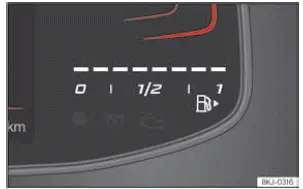
Fig. 3 Basic instrument cluster: fuel gauge.
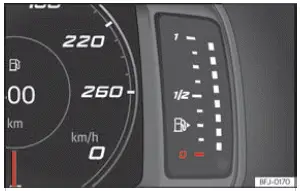
Fig. 4 SEAT Digital Cockpit instrument cluster:
fuel gauge.
Control lamps
 Lights up yellow when the remaining fuel level is low and the fuel tank is approaching empty. This warning indicates that the vehicle has reached its fuel reserve and should be refuelled without unnecessary delay.
When the reserve fuel level is reached, arrange to refuel at the next suitable opportunity. Continuing to drive with very little fuel increases the possibility of the engine receiving an insufficient or interrupted fuel supply, particularly when the vehicle is travelling on gradients.
If the fuel level falls to a particularly low value, the lower diode of the fuel gauge also flashes red. This additional indication draws attention to the critically low quantity of fuel remaining and reinforces the need to refuel promptly.
 Lights up yellow when water is detected in the diesel fuel. If this warning appears, switch off the engine and seek assistance from a qualified specialist. The warning indicates a condition that requires professional attention before normal vehicle operation is continued.
The fuel gauge operates when the ignition is switched on. With the ignition off, the normal fuel level indication is not available through the instrument cluster display.
The estimated remaining fuel range is also shown in the instrument cluster. This figure provides an indication of the distance the Seat Ateca may be able to travel with the fuel currently available. It should be treated as an estimate rather than a guaranteed distance, since actual fuel consumption depends on driving conditions and vehicle operation.
The fuel tank capacity for your particular vehicle can be found in the corresponding technical specifications section of the owner's manual. Consult the specifications applicable to your Seat Ateca version when checking the stated tank capacity.
WARNING Driving with an excessively low fuel level can cause the engine to run irregularly or stop unexpectedly. If the vehicle stalls in moving traffic, the resulting loss of propulsion and changes in the operation of vehicle systems may increase the risk of an accident and serious injury. Do not rely on the remaining fuel reserve to complete a journey when refuelling is available.
- When the fuel level is extremely low, fuel may not reach the engine consistently. This is particularly likely when driving uphill or downhill, as changes in the vehicle's inclination can affect the supply of the small quantity of fuel remaining in the tank.
- If the engine operates irregularly or stops because of insufficient fuel or an interrupted fuel supply, the steering assistance, braking assistance and other supporting vehicle systems may no longer function normally. This can make the vehicle more difficult to control and increase the effort required to steer or brake safely.
- SEAT recommends refuelling when approximately one quarter of the fuel tank remains. Maintaining an adequate fuel reserve reduces the likelihood of an unexpected engine stoppage caused by running out of fuel, especially during longer journeys or when travelling through areas with limited refuelling opportunities.
NOTICE Never allow the fuel tank to become completely empty. An insufficient or irregular fuel supply can cause engine misfiring, allowing unburnt fuel to pass into the exhaust system. Such operating conditions may damage components of the exhaust gas treatment system and should be avoided by refuelling before the available fuel is exhausted.
Unburnt fuel entering the exhaust system can damage the catalytic converter or particulate filter. Repairs to these components may be necessary if the engine is repeatedly operated with an inadequate fuel supply or allowed to run out of fuel.
Note The small arrow positioned next to the fuel pump symbol on the fuel gauge indicates which side of the Seat Ateca contains the fuel filler flap. This marking allows the driver to identify the correct side of the vehicle when approaching a fuel pump, without having to leave the vehicle to check the filler location.
 SEAT Digital Cockpit
Fig. 2 SEAT Digital Cockpit on the instrument
panel (classic view).
Engine coolant temperature display. Indicates the temperature of the engine coolant, allowing the driver to monitor the ...
Other materials:
Specifications, Description and Operation
SPECIFICATIONS
Material
General Specifications
Torque Specifications
DESCRIPTION AND OPERATION
Wipers and Washers
Overview
The windshield wiper/washer system is activated by the wiper/washer controls
on the multifunction switch. The following functions/features of the windshield
wiper/washer sy ...
Diagnosis and Testing
Engine Cooling
Special Tool(s)
Material
Principles of Operation
Engine coolant flows primarily from the engine to the radiator circuit and
back to the coolant pump. Coolant is sent from the coolant pump through the
engine block and cylinder heads. Separate circuits from the engine also feed the ...
Jacking and Lifting
WARNING: When jacking or lifting the vehicle, block all wheels remaining
on the ground. Set the parking brake if the rear wheels will remain on the
ground. These actions help prevent unintended vehicle movement. Failure to
follow these instructions may result in serious personal injury.
&nb ...
