
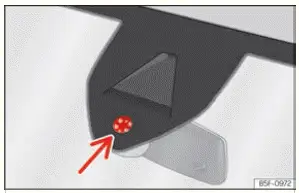
Fig. 91 Windscreen humidity and temperature
sensor.
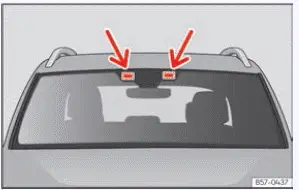
Fig. 92 Areas for placing electronic
accessories
The brake servo operates only while the engine is running. This operating limitation should be taken into account when using vehicle functions that depend on the engine being switched on. The heated windscreen is also designed to operate under the specified vehicle operating conditions.
The heated windscreen incorporates electrically heated layers and conductive circuits positioned between the layers of the laminated glass. When electrical current flows through these elements, they generate heat and gradually increase the temperature of the windscreen. Because the heating components are integrated into the glass structure, the system can warm the windscreen directly rather than relying entirely on heated air from the ventilation outlets.
The purpose of the heated windscreen is to support the air conditioning system in preventing condensation from forming on the inside of the glass and removing misting more quickly when it occurs. By increasing the windscreen temperature, the system helps reduce the conditions that allow moisture to condense on the glass. This improves the effectiveness of the vehicle's demisting functions and helps maintain a clear view of the road, particularly in cold or humid weather.
Depending on the selected settings and the operating conditions, windscreen heating can be activated manually by the driver or switched on automatically by the vehicle. Manual operation allows the function to be selected when needed, while automatic activation responds to conditions indicating that the windscreen may be at risk of misting over.
Manual activation
- Open the air conditioning settings in the Seat Ateca infotainment system and press the
 button. This activates the heated windscreen function, allowing the integrated heating elements to warm the glass and assist in removing or preventing condensation.
The heated windscreen switches off automatically according to the outside temperature and the system's operating conditions. In all cases, the heating function is deactivated after approximately 8 minutes. This automatic operating limit helps prevent the windscreen heater from consuming electrical energy longer than necessary while still allowing sufficient time for the heating elements to assist with demisting.
Automatic activation
When automatic windscreen heating is enabled, the system can switch on the heating elements without the driver pressing the manual activation button. Automatic activation takes place when the system detects conditions indicating that the front windscreen is at risk of misting over. The heating function then helps raise the temperature of the glass before condensation significantly reduces visibility.
- Open the air conditioning settings in the infotainment system. The available climate control functions include the automatic windscreen heating setting on vehicles equipped with this feature.
- Select the automatic heated windscreen option to enable or disable automatic operation. When the function is enabled, the system can activate windscreen heating according to the detected risk of condensation. When disabled, automatic activation through this setting is not available.
Automatic windscreen heating can operate even when the air conditioning system itself is switched off. This means the windscreen heating function is not dependent on the normal climate control system being active when automatic activation conditions are met. The integrated heating elements can therefore assist in preventing misting independently of the selected air conditioning operating mode.
Thermal windscreen using the defrost function
When the windscreen defrosting function is activated, the heated windscreen can operate together with the climate control system to improve visibility. If a sensor detects that condensation is likely to form on the windscreen, the integrated heating elements are switched on. This combines the effect of air directed towards the glass with direct windscreen heating, helping the system respond to conditions that could obstruct the driver's view.
The heated windscreen does not remain active indefinitely. Its operation is subject to electrical system requirements, component protection and the preset operating time. These conditions determine when the heating function is automatically disconnected, even if the driver has not manually switched it off.
The heated windscreen switches off when one of the following conditions is met:
- Excessive power consumption: If the electrical demand becomes too high, the vehicle may automatically disconnect the windscreen heating function. This reduces the load on the electrical system and helps ensure that available power can be used for other vehicle functions.
- Faulty air conditioning fuse: A fault affecting the relevant air conditioning fuse can prevent the heated windscreen from continuing to operate. If the heating function is unavailable because of an electrical fault, the affected system should be checked and repaired by a qualified specialist.
- Preset operating time elapsed: The heated windscreen switches off automatically when its programmed operating period has ended. This prevents unnecessary electrical consumption after the permitted heating interval.
Location of electronic accessories
The Seat Ateca heated windscreen incorporates a film designed to reflect infrared radiation. Although this film forms part of the windscreen's thermal properties, it can interfere with the operation of certain electronic accessories that communicate through the glass. Examples include electronic toll collection devices and similar equipment that depend on signals passing through the windscreen. To accommodate these accessories, designated areas are provided near the interior rear-view mirror, as indicated by the arrows in Fig. 92. These areas are intended for positioning compatible electronic devices where interference from the reflective film can be avoided.
The designated accessory areas must remain unobstructed. Do not cover them with stickers, films or other materials, as these can interfere with the signals used by electronic equipment positioned in these locations. Incorrect placement or obstruction may cause the devices to operate unreliably or fail to communicate as intended. When installing electronic toll devices or similar accessories, use the areas identified in Fig. 92 and follow the installation instructions supplied with the equipment.
Troubleshooting
The cooling system cannot be switched on or its operation is limited
If the air conditioning cooling system cannot be activated, or if its cooling performance is restricted, the cause may be related to the vehicle's operating conditions or an electrical or mechanical fault. Not every interruption indicates a defect, since the system may temporarily limit compressor operation under certain conditions. Check the following possible causes before arranging an inspection:
- The engine is not running: The cooling system requires the appropriate vehicle operating conditions. If the engine is switched off, the air conditioning compressor may not be available, preventing the system from providing active cooling.
- The fan is switched off: If the ventilation blower is set to its off position, air is not circulated through the climate control outlets as required for normal cooling operation. Check that the fan is switched on and that an appropriate airflow level has been selected.
- The air conditioning fuse has blown: A defective fuse can interrupt the electrical supply to components required for cooling operation. If a fuse-related fault is suspected, the electrical system should be checked and the underlying cause identified.
- The outside temperature is below approximately 0°C (+32°F): At very low ambient temperatures, the cooling function may be unavailable or its operation may be restricted. This is related to the operating conditions of the air conditioning system and does not necessarily indicate a malfunction.
- The engine coolant temperature is too high: If the engine becomes excessively hot, the air conditioning compressor may be temporarily switched off. This reduces the additional load on the engine while the cooling system responds to the elevated coolant temperature. Compressor operation may become available again when normal conditions are restored.
- Another vehicle fault is present: If none of the operating conditions explains the problem, a malfunction elsewhere in the vehicle or air conditioning system may be responsible. Have the air conditioning inspected by a specialised workshop to determine why cooling is unavailable or limited.
The heating and fresh air system cannot be switched on or operates in a limited way
- The heating and fresh-air ventilation system, including the windscreen defrosting function, performs most effectively when the engine has reached its normal operating temperature. When the engine is cold, the available heating output may be limited, and it can take longer for warm air to reach the passenger compartment or clear the windscreen. Reduced heating performance immediately after starting a cold engine does not necessarily indicate a fault.
- If the heating or fresh-air system continues to operate incorrectly after normal engine operating temperature has been reached, consult a specialised workshop. Persistent problems with airflow, heating or defrosting should be investigated to identify any malfunction affecting the ventilation or climate control system.
The windows are misted up
Condensation forms on vehicle windows when the glass surface is cooler than the surrounding air and the air contains sufficient moisture. When humid air comes into contact with the colder glass, some of its moisture condenses into fine droplets, producing the misted appearance that restricts visibility. Because cold air can hold less water vapour than warm air, this problem occurs particularly frequently during cold weather, when the temperature difference between the passenger compartment and the windows can be considerable.
- Keep the outside air intake openings in front of the windscreen free from ice, snow, leaves and other debris. These openings allow air to enter the ventilation system, and keeping them clear helps maintain the airflow needed for effective heating, cooling and windscreen demisting. Blocked intake openings can reduce ventilation performance and make condensation more difficult to remove.
- Make sure that the air extraction openings located towards the rear of the luggage compartment remain unobstructed. These openings allow air to move through the passenger compartment and leave the vehicle, supporting circulation from the front towards the rear. Luggage or other objects blocking the extraction areas can interfere with the intended airflow and reduce ventilation effectiveness.
- Activate the windscreen demisting function when condensation appears on the glass. This directs the climate control system towards clearing the windscreen and helps restore visibility. Use the appropriate airflow settings and allow the system to remove the moisture before continuing to drive if visibility has become inadequate.
Change the temperature unit (Climatronic)
The temperature values displayed by the Climatronic system can be shown in either degrees Celsius or degrees Fahrenheit. To change the displayed unit, open the Seat Ateca infotainment system and select the function button  > Settings > Units. Select the preferred temperature measurement unit in the corresponding settings menu. This changes the way temperature values are presented on the infotainment display without altering the basic operation of the climate control system.
Water or water vapour under the vehicle
When the outside air is warm and humid, moisture can condense on the evaporator inside the air conditioning cooling system. As the system operates, this condensed water may drain from the evaporator and drip onto the ground beneath the Seat Ateca, sometimes forming a small puddle. This is a normal consequence of the air conditioning system removing moisture from the air and does not, by itself, indicate that the vehicle is leaking fluid or that the cooling system is damaged.
Under conditions of high outside humidity and low ambient temperature, condensation water may also evaporate while the stationary air conditioning system is operating. This can produce visible water vapour beneath the vehicle, which may resemble steam. The appearance of this vapour is associated with moisture and temperature conditions during normal climate system operation and does not necessarily indicate a mechanical problem or damage to the vehicle.
Note After the engine has been started, residual moisture remaining inside the air conditioning system may temporarily contribute to condensation on the windscreen. If the glass begins to mist over, activate the windscreen defrosting or demisting function as soon as possible. This helps remove moisture from the glass and restore a clear forward view. Do not begin or continue driving if condensation prevents you from seeing the road adequately.
 Steering wheel heating
The heated steering wheel function in the Seat Ateca operates only while the engine is running. It provides additional warmth through the steering wheel, making it more comfortable to hold in cold wea ...

Other materials:
Wiper functions
Automatic rear window wiper
The rear window wiper of the Seat Ateca can operate automatically when reverse gear is selected. If the windscreen wipers are already switched on, engaging reverse gear activates the rear wiper without requiring the driver to operate its control separately. This functi ...
Parking Brake and Actuation
SPECIFICATIONS
Torque Specifications
DESCRIPTION AND OPERATION
Parking Brake
The parking brake system consists of the following components:
Parking brake control and front cable assembly
Rear parking brake cables
The parking brake system is a mechanical system that activates a
self-adjusting b ...
Operating the glass roof
Fig. 63 On the headliner: glass roof button.
If the sun blind is completely closed or positioned ahead of the moving glass panel, it opens automatically when the sunroof is operated. This allows the glass roof to move without the blind obstructing its travel. However, the sun blind does ...
