
The electronic parking brake does not release.
If the electronic parking brake on your Seat Ateca cannot be released, the cause may be a discharged 12-volt vehicle battery. The electronic parking brake depends on the vehicle's electrical system to operate its release mechanism. When the battery does not have sufficient charge, the system may be unable to respond to the parking brake switch, leaving the brake engaged even when the normal release procedure is followed.
- Use the jump-start procedure to restore sufficient electrical power to the vehicle. Follow the instructions for jump-starting the Seat Ateca, including the specified connection procedure and safety precautions. Once adequate power is available, check whether the electronic parking brake can be released normally. Do not attempt to force the vehicle to move while the parking brake remains engaged.
The electronic parking brake makes noises
- Operating noises may be heard when the electronic parking brake is applied or released. These sounds are produced by the electrically operated mechanism as it engages or disengages the brake. Brief mechanical or motor noises during normal operation do not necessarily indicate a malfunction, provided that the parking brake operates correctly and the corresponding indicators display the expected status.
- The electronic parking brake system also carries out occasional automatic checks while the Seat Ateca is parked. If the parking brake has not been operated for some time, these checks may produce audible noises even though the driver has not pressed the parking brake button. Such intermittent sounds can be part of the system's normal operation and do not automatically mean that the parking brake has developed a fault.
Auto Hold function
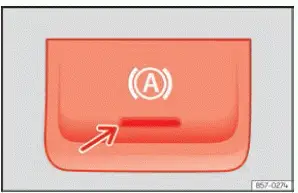
Fig. 132 In the lower part of the centre
console: Auto Hold function button.
The Auto Hold function keeps the Seat Ateca stationary after it has been brought to a complete stop, without requiring the driver to continue pressing the brake pedal. This feature is particularly convenient when the vehicle must remain stopped temporarily, as it maintains braking automatically while the necessary operating conditions are satisfied. The driver can therefore release the brake pedal without the vehicle immediately moving forward or backward. Auto Hold is a convenience function and does not replace the electronic parking brake when the vehicle is parked and left unattended.
 When Auto Hold is actively holding the vehicle stationary, the corresponding indicator lamp illuminates green in the instrument cluster. This confirms that the function is currently maintaining the vehicle at a standstill. The indicator lamp on the
 button shown in Fig. 132 remains illuminated whenever Auto Hold is switched on and available for use. The illuminated button indicates that the function has been enabled, while the green instrument cluster indication identifies when Auto Hold is actually holding the vehicle.
Requirements
- The driver's door must be fully closed. Auto Hold requires the door to remain closed as part of the conditions for normal operation. If the door is opened, the function may no longer be able to maintain its previous operating state.
- The driver's seat belt must be fastened. The system uses this condition to establish that the driver is in the appropriate position to operate the vehicle and resume driving when required.
- The engine must be running. Auto Hold requires the engine to be operating normally so that the function can maintain the vehicle at a standstill and release the brakes when the driver moves off.
Connecting and disconnecting
Press the Auto Hold button in the centre console to switch the function on or off. When Auto Hold is enabled, the indicator lamp in the button illuminates, confirming that the function is available to activate automatically when the required conditions are met. Switching on Auto Hold does not necessarily mean that it is already holding the vehicle; actual brake holding begins when the vehicle is stopped under the appropriate conditions. Press the button again to switch the function off. The button indicator then goes out, showing that Auto Hold is no longer enabled.
Switching on and off automatically
If Auto Hold was enabled using its control button before the ignition was switched off, the Seat Ateca retains this setting. When the ignition is switched on again, Auto Hold remains selected, allowing the function to operate once its normal activation requirements have been satisfied. The driver does not need to enable it again after every restart when the previous setting was active.
If Auto Hold was switched off before the ignition was turned off, the function remains disabled the next time the ignition is switched on. This means that the system preserves the driver's last selected setting rather than automatically enabling Auto Hold at every start. To use the function again, press the Auto Hold button and confirm that its indicator lamp illuminates.
The Auto Hold function switches off automatically when certain conditions prevent it from continuing normal operation. This can occur even if the driver has not manually pressed the Auto Hold button. The following circumstances can cause automatic deactivation:
1. One or more of the conditions required for Auto Hold operation are no longer satisfied. For example, if a requirement relating to the driver's door, seat belt or engine operation is not met, the system may no longer remain active. The driver must then ensure that the vehicle is held stationary using the appropriate braking controls.
2. The engine begins running irregularly or develops an operating fault. Since Auto Hold depends on normal vehicle operation, an engine malfunction can prevent the system from continuing to function as intended. The driver should monitor the vehicle's behaviour and use the brake pedal when necessary.
3. The engine stalls. If the engine stops unexpectedly, Auto Hold is automatically deactivated under the conditions described for the system. The driver must not assume that the function will continue holding the vehicle after the engine has stopped.
4. On vehicles with an automatic transmission, Auto Hold may be switched off if one or more tyres have only minimal contact with the ground. This can occur, for example, when the vehicle is positioned on uneven terrain with its axles crossed. Under such conditions, the system cannot be relied upon to provide its normal holding function.
Activation and deactivation
Auto Hold begins holding the vehicle automatically when all of the following conditions are satisfied simultaneously. The function must already be enabled, and the vehicle must have been brought to a complete stop in the manner described below:
1. Auto Hold is switched on using the corresponding button, and the button indicator confirms that the function has been enabled. The other operating requirements, including the driver's door and seat belt conditions, must also be satisfied.
2. The Seat Ateca is brought to a complete standstill by pressing the brake pedal. This may take place on level ground or on an incline. Once the vehicle is fully stationary and the system conditions are met, Auto Hold can maintain the braking force without requiring the driver to keep their foot on the brake pedal.
3. The engine is running correctly, without irregular operation or a malfunction that would prevent Auto Hold from functioning. Normal engine operation is one of the conditions required for the system to maintain and subsequently release the vehicle.
Auto Hold releases its holding function automatically when the driver moves off or when the function is switched off. The release procedure depends on the transmission fitted to the vehicle and the actions taken by the driver:
1. The vehicle begins moving again. On Seat Ateca models with an automatic transmission, Auto Hold releases the brakes when the driver presses the accelerator pedal to move off. This allows the vehicle to start moving without a separate manual release operation.
On vehicles with a manual gearbox, the function releases when the driver lifts their foot from the clutch pedal and presses the accelerator while a gear is engaged. The driver must coordinate the clutch and accelerator in the normal manner to move away smoothly, particularly when starting on a slope.
2. Auto Hold is switched off using one of the deactivation methods described in the preceding sections. When the function is disabled, it no longer provides automatic holding assistance. The driver must use the brake pedal or electronic parking brake as appropriate to prevent the vehicle from moving unintentionally.
WARNING Auto Hold uses electronically controlled braking technology, but it cannot overcome the laws of physics or operate beyond its technical limitations. Although the function makes temporary stops more convenient, it must never encourage the driver to take unnecessary risks or neglect the normal precautions required to keep the Seat Ateca stationary. The driver remains responsible for controlling the vehicle and preventing unintended movement under all road and parking conditions.
- Never leave the Seat Ateca unattended with the engine running and Auto Hold switched on. Auto Hold is intended to assist the driver during temporary stops, not to secure a parked vehicle after the driver has left. Before exiting, apply the electronic parking brake and complete the normal parking procedure to prevent the vehicle from moving unexpectedly.
- Auto Hold cannot guarantee that the vehicle will remain stationary on every uphill gradient or provide sufficient braking on every downhill slope. Its ability to hold the vehicle may be limited when the road surface is slippery, icy or otherwise offers insufficient grip. Do not rely exclusively on Auto Hold in these conditions. Keep the vehicle under control with the brake pedal and use the electronic parking brake when parking.
NOTICE Always switch off Auto Hold before driving the Seat Ateca into an automatic car wash. Certain washing systems require the vehicle to move freely or be transported through the facility without automatic brake application. Leaving Auto Hold enabled may interfere with this movement and cause the brakes to engage when the vehicle is expected to roll.
Failure to deactivate Auto Hold before entering an automatic car wash may result in damage if the parking brake is applied automatically during the washing process. Check that the function is switched off before entering the facility, and follow the car wash operator's instructions regarding the transmission and braking system.
Note After the 12-volt battery has been connected or reconnected, drive the Seat Ateca for a short distance to allow the Auto Hold function to reset and resume normal operation. The system may require this brief period of driving before it can provide its usual automatic holding assistance. Check that the function is operating correctly before relying on it during subsequent stops.
 Using the electronic parking brake
Fig. 131 Centre console, lower part: electronic
parking brake button.
Connecting
The electronic parking brake can be applied whenever the Seat Ateca is stationary, including when the ...

Other materials:
Visual indication segments
Fig. 137 Park assist view on the Infotainment
system display.
The rear parking assistance display helps the driver estimate the distance between the Seat Ateca and obstacles detected behind the vehicle. Coloured segments appear around the vehicle representation on the infotainment scre ...
Privacy mode
Introduction
The "Privacy" function in the Seat Ateca allows users to control the exchange of information between the vehicle and the Internet. Depending on the selected privacy level, data transmissions can be permitted or restricted, affecting the availability of SEAT CONNECT services and other ...
Brake System - General Information
SPECIFICATIONS
Material
General Specifications
Torque Specifications
DIAGNOSIS AND TESTING
Principles of Operation
Brake System
Applying the brake pedal uses lever action to push a rod into the brake
booster, which through the use of vacuum, boosts the force of the rod and then
transmits this f ...
