
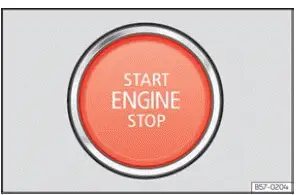
Fig. 94 In the lower part of the centre console:
start button.
The Seat Ateca is equipped with a push-button engine starting system known as Press & Drive. Instead of inserting a conventional ignition key, the driver can start the engine by pressing the start button, provided that a valid vehicle key is detected inside the passenger compartment. The key must be within the detection area, which includes the front or rear seating areas and the centre console. The system checks for the presence of an authorised key before allowing the engine to start.
In vehicles equipped with the Keyless Access system, the engine can also be started when the valid key is located inside the luggage compartment. This provides additional flexibility when carrying or storing the key inside the vehicle. However, the key must still be recognised by the vehicle's electronic access system for the starting procedure to be authorised.
When the driver leaves the vehicle and opens the driver's door with the ignition switched off, the electronic steering column lock is activated. This locking function helps secure the steering system after the vehicle has been switched off. Before leaving the Seat Ateca unattended, make sure the ignition is off and that the vehicle has been secured correctly.
Switching the ignition on/off
If you need to activate the ignition without starting the engine, for example to use electrical equipment or view information on the instrument cluster, the start button can be operated without pressing the pedals normally required for engine starting. The procedure depends on whether the Seat Ateca has a manual or automatic transmission:
- Vehicles with a manual gearbox: Briefly press the engine start button once without pressing either the brake pedal or the clutch pedal. This switches on the ignition without initiating the normal engine starting procedure. To switch the ignition off again, press the start button as required while keeping the pedals released.
- Vehicles with an automatic gearbox: Briefly press the engine start button once without pressing the brake pedal. The ignition will be switched on without starting the engine. When you want to switch it off, operate the start button again without applying the brake pedal.
The illuminated start button symbol  flashes with a rhythmic, heartbeat-like pattern when the system is ready for the ignition to be switched on or off. This visual indication helps the driver locate the button and recognise that the ignition control is available. The lighting behaviour also forms part of the vehicle's start button status indications.
Automatic ignition disconnection
If the driver leaves the vehicle while the ignition is still switched on and takes the key with them, the ignition does not automatically switch off simply because the key has been removed from the passenger compartment. It remains necessary to switch off the ignition correctly to avoid leaving electrical systems unnecessarily active. In this situation, the ignition can be switched off by pressing the locking button on the remote control key or by touching the appropriate sensor surface on the exterior door handle, where this function is fitted. Always check that the vehicle has been switched off and secured before walking away.
Automatic deactivation of the ignition on vehicles with the Start-Stop system
On Seat Ateca models equipped with the Start-Stop system, the ignition can be switched off automatically under certain conditions when the vehicle is stationary and the engine has already been stopped by the automatic Start-Stop function. This prevents the ignition from remaining active in the specified situation when the driver is leaving the vehicle. Automatic ignition deactivation takes place when all of the following conditions are met:
- The driver's seat belt is unfastened, indicating that the driver is no longer secured in the normal driving position.
- The driver is not pressing any pedal, so there is no active input through the accelerator, brake or clutch pedal.
- The driver's door is opened while the vehicle is stationary and the automatic engine shutdown remains active.
After the ignition has been switched off automatically, the exterior lighting may remain active for a limited period. If the dipped beam  was switched on, the side lights remain illuminated for approximately 30 minutes, provided the vehicle battery has sufficient charge. This temporary lighting period ends if the driver locks the vehicle or manually switches off the lights. In either case, the side lights are extinguished rather than remaining on for the full period.
Engine restart feature
If the engine has been switched off and the vehicle can no longer detect a valid key inside the passenger compartment, a short restart period remains available. The engine can be restarted within approximately five seconds after it stops, even though the key is no longer being detected. A warning message appears on the instrument cluster display to inform the driver of this situation and the limited opportunity to restart the engine.
Once this five-second interval has elapsed, the engine cannot be started again unless a valid key is present inside the vehicle and recognised by the starting system. If the key has been taken outside the Seat Ateca, it must be brought back into the permitted detection area before another engine start can be authorised. This feature is intended to provide a brief restart opportunity immediately after the engine stops, not to permit continued operation without an authorised key.
Function "My Beat"
Seat Ateca vehicles equipped with a convenience key may include the "My Beat" function. This feature uses the illumination of the engine start button to provide additional visual information about the ignition and engine operating status. Changes in the button's lighting pattern help the driver distinguish between a system that is ready to be operated, an active ignition and a running engine.
When the driver enters the vehicle, the start button shown in Fig. 94 begins flashing to attract attention to its location on the centre console. The illuminated button makes the engine starting control easier to identify, particularly when entering the vehicle in low-light conditions.
The start button also flashes when the ignition is being switched on or off. This changing illumination provides a visual indication that the ignition system is responding to the driver's command. The flashing pattern is distinct from the steady illumination displayed while the engine is running.
After the ignition has been switched off, the start button does not necessarily become dark immediately. Its illumination goes out automatically after a few seconds, indicating that the ignition switching sequence has finished and the button is no longer displaying its active indication.
While the engine is running, the start button remains continuously illuminated rather than flashing. This steady light confirms that the engine is operating and distinguishes the running state from the ignition switching or engine starting phases.
The interval between pressing the start button to start the engine and the change from flashing illumination to a steady light is not necessarily identical in every vehicle. It depends on the characteristics of the engine fitted to the Seat Ateca, including differences associated with engine size and the time required to complete the starting process. The lighting therefore changes in accordance with the engine's actual operating sequence.
When the driver presses the start button to stop the engine, the button begins flashing again. This indicates the transition away from the running state and provides visual feedback that the engine shutdown command has been carried out. The illumination subsequently follows the normal behaviour associated with the ignition being switched off.
In Seat Ateca vehicles equipped with the Start-Stop system, the "My Beat" function provides further information about the distinction between an engine that has stopped automatically and one that has been switched off completely. The start button illumination behaves as follows:
- When the engine is automatically stopped during the Start-Stop system's Stop phase, the start button remains illuminated continuously. Although the engine is temporarily not running, the Start-Stop system is still active and may restart the engine when the required operating conditions are met. The steady light therefore indicates that the vehicle remains in an active operating state rather than being completely switched off.
- If the Start-Stop system cannot restart the engine automatically and a manual restart is required, the start button begins flashing. This alerts the driver that the normal automatic restarting function is unavailable in the current situation. Follow the instructions shown on the instrument cluster display and start the engine manually using the appropriate procedure.
Breath alcohol ignition interlock device (breathalyser)
The Seat Ateca is prepared for the installation of a breath alcohol ignition interlock device, commonly referred to as a breathalyser. This equipment is intended to control ignition activation according to the result of a breath alcohol test. The vehicle's preparation allows the relevant device to be installed where such equipment is required or selected for use.
Once a breath alcohol ignition interlock device has been installed, the driver must successfully complete the required breathalyser test before the ignition can be switched on. The ignition system will therefore be subject to the interlock device's authorisation procedure, and normal ignition activation will depend on the test being passed. The driver should follow the operating instructions supplied with the installed device.
Installation and operation of the breath alcohol ignition interlock may also restrict certain vehicle functions. The available functions and their behaviour can differ from those of a vehicle without the device, so any limitations introduced by the installation must be taken into account when using the vehicle.
WARNING When you intend only to switch on the ignition, do not press the brake or clutch pedal while operating the start button. Pressing the relevant pedal may fulfil the conditions required for engine starting, causing the engine to start immediately instead of merely activating the ignition. An unexpected engine start can create a hazardous situation if the driver or another person is not prepared for it.
WARNING Careless handling or unauthorised use of vehicle keys can result in accidents and serious injuries. A valid key allows access to important vehicle functions, including ignition activation and engine starting. Always handle and store the keys responsibly, and prevent children or unauthorised persons from gaining access to them.
- Never leave a vehicle key inside the Seat Ateca when you leave it unattended. A child or another unauthorised person could use the key to lock the doors, switch on the ignition, start the engine or operate electrical equipment. These actions may create dangerous situations and could result in serious injury. Always take the vehicle key with you when leaving the vehicle and make sure the vehicle is properly secured.
Note
- Before leaving the vehicle, always switch off the ignition and check the instrument cluster for any relevant instructions, messages or warnings. Follow the displayed information where applicable, and make sure the vehicle has been left in the appropriate condition before locking it and walking away.
- If the Seat Ateca remains stationary for an extended period with the engine stopped but the ignition switched on, electrical equipment may continue drawing power from the vehicle battery. Prolonged electrical consumption can discharge the battery sufficiently to prevent the engine from starting. Avoid leaving the ignition active unnecessarily when the engine is not running.
- On vehicles equipped with a diesel engine, wait until the preheating warning light
 has gone out before starting the engine. This indicator shows that the engine's preheating process is taking place. Allowing the preheating phase to finish before starting helps ensure that the normal starting procedure is followed, particularly when the engine is cold.
- If the engine is in the automatic STOP phase and you press the
 button, the ignition is switched off rather than the engine being restarted automatically. The start button then begins flashing to indicate the change in ignition status. Remember that an engine stopped by the Start-Stop system is not necessarily the same as a vehicle whose ignition has been switched off.
- If the instrument cluster displays the message "Start-Stop system deactivated: Start the engine manually", the start button flashes to indicate that the automatic engine restart function is unavailable. In this situation, the driver must restart the engine manually using the normal starting procedure instead of waiting for the Start-Stop system to restart it.

 Starting the engine
Vehicles with manual transmission: Move the gear lever into the neutral position, then fully depress the clutch pedal. Keep the clutch pedal pressed until the engine has started. This ensures that ...
Other materials:
Rear lid with sensor-controlled
opening and closing (Easy Open)
Fig. 59 Rear lid with sensor-controlled
opening (Easy Open).
On Seat Ateca models equipped with the Easy Open function, the rear lid can be unlocked, opened or closed without using the exterior handle or remote control buttons. When a valid vehicle key is detected near the rear of the vehic ...
Anti-Theft - Passive Anti-Theft System (PATS), With Intelligent Access (IA)
DESCRIPTION AND OPERATION
Anti-Theft
Component Location
RFA Module
Backup Transceiver
TPM Module
Passive Start Antenna (3 required)
Overview
PATS deters the vehicle from theft by preventing the ignition from turning on
and the engine from starting unless a programmed IA&n ...
Operating the glass roof
Fig. 63 On the headliner: glass roof button.
If the sun blind is completely closed or positioned ahead of the moving glass panel, it opens automatically when the sunroof is operated. This allows the glass roof to move without the blind obstructing its travel. However, the sun blind does ...
