
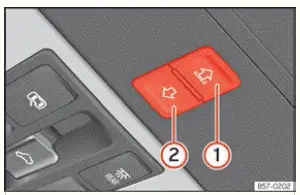
Fig. 65 On the interior roof lining: function
button to operate the sun blind.
The Seat Ateca panoramic glass roof is equipped with an electrically operated sun blind that allows occupants to control the amount of sunlight entering the passenger compartment. The sun blind can be opened or closed using the controls in the interior roof lining when the ignition is switched on. Its position can be adjusted independently within the operating limits determined by the position of the glass roof.
When the panoramic glass roof is raised to its maximum tilted position, the electric sun blind automatically moves into a ventilation position. This allows the roof opening to provide ventilation without the blind obstructing the tilted glass panel. The sun blind remains in this ventilation position even after the sunroof has been closed, rather than automatically returning to its previous position.
After the ignition has been switched off, the electric sun blind remains operational for a few minutes, provided that neither the driver's door nor the front passenger door has been opened. During this period, the blind can still be opened or closed without switching the ignition on again. Opening either front door ends this continued operating period.
Opening and closing the sunshade blind
- For manual operation, press button 1 to open the sun blind or button 2 to close it, as shown in Fig. 65. Operate the selected button to its first level and keep it pressed until the blind reaches the desired position. Release the control to stop the movement, allowing the blind to be positioned anywhere within its permitted travel range.
- For automatic operation, briefly press button 1 to open the blind or button 2 to close it, moving the control to its second operating level. The sun blind then travels automatically towards the corresponding end position without requiring the button to be held.
If the button is pressed again while the blind is moving automatically, the automatic operation is interrupted. The blind stops at its current position and can subsequently be opened or closed again using the appropriate control.
Anti-trap function of the sunshade blind
The electrically operated sun blind incorporates an anti-trap function intended to reduce the risk of injury when the blind is closing. If the moving blind encounters resistance or an obstruction, its closing movement is interrupted and it immediately reopens. This protective response helps prevent the blind from continuing to press against an object or part of the body caught in its path.
- Determine why the sun blind was unable to close. Check the area through which the blind moves and remove any objects or obstructions that could be interfering with its normal operation.
- After checking that the movement area is clear, try closing the blind again using the corresponding control. Watch its movement to confirm that it can travel towards the closed position without further resistance.
- If the blind encounters another obstruction or excessive resistance during the closing attempt, it immediately reverses direction and opens again.
After the blind has reopened, there is a short period during which it can be closed without the anti-trap function intervening. This temporary operating mode must only be used when the entire movement area has been checked and is free from obstructions.
- If the blind still cannot be closed through normal operation, follow the procedure for closing it without the anti-trap function. Take particular care because the protective reversal mechanism will not operate during this closing attempt.
Closing the sunshade blind without the anti-trap function
- First, attempt to close the sun blind again using its normal closing control. Make sure that the blind's travel path is unobstructed and that nobody is reaching into the roof opening or the area surrounding the moving blind.
- If the blind still cannot close, press and hold button 2 shown in Fig. 65 within 5 seconds of the interrupted closing attempt. Keep the button pressed until the sun blind has closed completely. During this procedure, the blind closes without intervention from the anti-trap function, so it will not automatically reverse its movement if resistance is encountered.
- If the sun blind remains unable to close after following this procedure, have the system examined by a specialised workshop. Do not continue forcing the blind against resistance, as doing so may damage the operating mechanism or other components.
WARNING Closing the electric sun blind without the anti-trap function can cause serious injuries. When this protective feature is deactivated, the blind may continue moving even if something obstructs its path. Always ensure that the movement area is completely clear before attempting to close the blind in this manner.
- Always close the sun blind carefully and pay attention to its movement. Never operate the closing control without first checking that the blind can move freely.
- Do not allow anyone to remain within the travel area of the sun blind, particularly when closing it without anti-trap protection. Keep fingers, hands and other parts of the body away from the moving blind and the surrounding roof structure.
- The anti-trap function cannot completely prevent fingers or other parts of the body from becoming trapped against the roof frame. Injuries may occur even when the protective function is active, so careful operation is essential at all times.
Note When the panoramic sunroof is open, the electric sun blind can only be closed as far as the front edge of the sunroof opening. This restriction prevents the blind from travelling beyond the position permitted by the open glass roof. To close the sun blind completely, first close the panoramic sunroof.
 Anti-trap function of the panoramic
sunroof
The panoramic sunroof in the Seat Ateca is equipped with an anti-trap function designed to reduce the risk of injury during closing. If the moving glass panel encounters an obstruction or excessive re ...
 Steering wheel
Multifunction steering wheel
Functions
Fig. 66 Controls on the steering wheel.
Fig. 67 Controls on the steering wheel.
The Seat Ateca multifunction steering wheel incorporates contr ...
Other materials:
Activation word and commands
Voice control wake words
The voice control function can be started by speaking a predefined activation word. When this function is enabled, the infotainment system listens for the specified wake phrase and activates voice recognition after identifying it. This allows the driver to begin a supported ...
Remote control
Fig. 93 Auxiliary heating: radio remote control.
Switch on: Press and hold the button for approximately one second to send the activation command to the auxiliary heating system. The remote control indicator LED provides information about whether the command has been received by the vehicle ...
Introduction
The 12-volt battery in the Seat Ateca is installed in the engine compartment. It supplies electrical power to the vehicle's systems and provides the energy required for engine starting. The condition of the battery is inspected during routine maintenance, and it is replaced when necessary to maintai ...
