
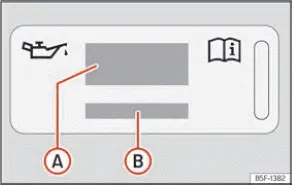
Fig. 212 In the engine compartment: engine oil label
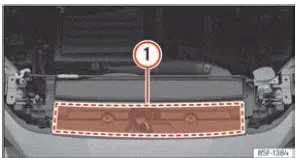
Fig. 213 In the engine compartment: area where the engine oil label is located
- Information identifying the engine oil standard prescribed for the vehicle. This specification indicates the quality and performance requirements that the oil must satisfy to be suitable for the engine.
- Information concerning the required engine oil viscosity. The viscosity designation describes the oil's flow characteristics and helps identify the appropriate lubricant for the engine's operating conditions.
The Seat Ateca engine is factory-filled with a specially selected multigrade engine oil designed for use throughout the year. This type of lubricant provides the characteristics required for engine operation across a range of seasonal temperatures, without the need to change to a different oil solely because of normal seasonal variations.
High-quality engine oil is essential for reliable engine operation, effective lubrication of internal components and a long service life. The lubricant must maintain suitable properties under the temperatures and mechanical loads encountered during normal driving. For this reason, whenever engine oil is topped up or replaced, use only products that comply with the applicable Volkswagen (VW) oil standards. Choosing an oil that meets the prescribed specification is more important than selecting a product solely on the basis of its brand or viscosity designation.
For vehicles with an engine oil label
If the engine oil level needs to be replenished, select an oil that meets one of the specifications indicated on the vehicle's engine oil label, as illustrated in Fig. 212. The information on this label identifies the approved oil requirements for the particular engine fitted to the Seat Ateca. Check the specification carefully before adding oil, since different engine versions may have different lubrication requirements.
The label displaying the prescribed engine oil standard is positioned at the front of the engine compartment, in the area identified by position 1 in Fig. 213. Consult this label whenever you need to confirm which lubricant is suitable. Provided that the oil being added meets the recommended specification, it may be used for topping up whenever necessary, while observing the correct oil level and the vehicle's normal maintenance requirements.
For vehicles without an engine oil label
If the engine compartment does not contain an engine oil specification label, contact a qualified specialist workshop or an authorised SEAT service centre before selecting a lubricant. The workshop can determine the correct VW oil standard for the engine installed in your vehicle. Do not assume that the oil specification used for another Seat Ateca engine variant is necessarily suitable for yours.
If the engine oil level is too low
If the engine oil level requires topping up and the recommended lubricant is unavailable, an alternative oil may be used only as an exceptional emergency measure. In this situation, a maximum of 0.5 litres of oil meeting one of the following standards may be added once, pending the next oil change. This allowance is intended for circumstances in which the prescribed engine oil cannot be obtained and must not be treated as a substitute for using the correct lubricant during routine maintenance.
- Petrol engines: the emergency replacement oil must meet at least one of the following specifications: VW 504 00, ACEA C3, ACEA C4, API SN or ILSAC GF-6A. Check the product information on the oil container to verify that the stated specification is satisfied before adding it to the engine.
- Diesel engines: the permitted emergency alternatives are oils meeting VW 507 00, ACEA C3, ACEA C4 or API CK-4. Because the engine and its exhaust aftertreatment components depend on suitable lubricant properties, the use of an alternative oil must remain limited to the exceptional circumstances described above.
SEAT recommends having engine oil changes performed by a qualified specialist workshop, preferably an authorised SEAT Official Service. Professional servicing helps ensure that the correct lubricant is selected, the appropriate replacement procedure is followed and the engine receives the oil required by its specification. A workshop can also check the vehicle for signs of abnormal oil consumption or leakage when necessary.
NOTICE SEAT strongly recommends using engine oils approved according to the VW standard applicable to the vehicle. Oils that do not meet the specified quality and performance requirements may provide inadequate protection for internal engine components or may be unsuitable for the engine's operating conditions. Continued use of an unapproved lubricant can result in premature wear, serious mechanical faults and engine damage.
SEAT recommends using engine oils supplied as Original SEAT Spare Parts, provided they meet the specification required for the particular engine. These products are intended to satisfy the manufacturer's prescribed lubrication requirements and provide an appropriate choice when the engine oil needs to be replaced or topped up.
Engine oil additives
Do not mix additional oil treatments, supplementary lubricants or other aftermarket additives with the engine oil. The prescribed engine oil already contains a carefully formulated combination of components intended to provide the necessary lubrication and protection. Introducing other additives may alter its properties and interfere with its intended performance. Any deterioration or damage resulting from the use of such additives is not covered by the vehicle warranty.
Engine oil consumption varies according to driving style, operating conditions and the way the vehicle is used. Depending on these factors, consumption may reach 0.5 litres per 1,000 km. During the first 5,000 km of operation, oil consumption may be higher while the engine's internal components undergo their initial running-in period. Consequently, the engine oil level should be checked at regular intervals rather than relying exclusively on scheduled servicing. It is particularly advisable to check the level when refuelling and before setting off on a longer journey, so that any necessary topping up can be carried out before the oil level becomes excessively low.
NOTICE The use of up to 0.5 litres of engine oil meeting one of the alternative standards listed above is permitted only in an emergency and under exceptional circumstances. This temporary allowance must not be interpreted as general approval to use an alternative lubricant for regular oil changes or repeated topping up. Whenever possible, use engine oil that fully complies with the VW specification prescribed for your Seat Ateca.
NOTICE If you have added engine oil that differs from the specifications stated above or from the lubricant recommended by your SEAT technical service centre, the following precautions must be observed. The consequences depend on the type and quantity of oil introduced, and continued operation may expose the engine and exhaust aftertreatment system to damage. The fact that the engine appears to operate normally does not necessarily mean that the alternative lubricant is suitable.
- It is not possible to eliminate completely the risk of damage to the engine or particulate filter when an unsuitable engine oil has been added. Differences in lubricant formulation and performance characteristics may affect components that depend on the prescribed oil specification. The possibility of damage must therefore be taken seriously, even if no immediate malfunction is apparent.
- If no more than 0.5 litres of the alternative engine oil has been added, the vehicle may continue to be driven, subject to the precautions associated with this exceptional situation. However, arrange an appointment with a qualified specialist workshop as soon as possible and request an engine oil change using the correct lubricant. Continuing to operate the vehicle without replacing the unsuitable oil may increase the risk of engine damage.
- If more than 0.5 litres of an oil outside the specified requirements has been added, operate the engine only under light load and avoid high engine speeds. Keep the engine within the medium RPM range at most, and do not subject it to demanding acceleration or other conditions that place unnecessary stress on its components. The vehicle speed must not exceed 80 km/h, and the total distance driven should be limited to approximately 300 km.
Visit a qualified specialist workshop as soon as possible and request an engine oil change. These restrictions are intended to limit the vehicle's operation until the unsuitable lubricant can be removed and replaced with oil that meets the prescribed specification.
Failure to observe these restrictions, or continuing to drive without arranging the necessary oil change, may result in serious engine damage. The distance and speed limits must not be regarded as a guarantee that damage cannot occur.
- The vehicle owner or operator assumes the risk of possible damage resulting from the use of an unsuitable lubricant, including damage to the engine and exhaust system. An incorrect oil specification may affect more than one component, and the consequences may not become apparent immediately.
If you are uncertain whether the oil that has been added is suitable, do not start the engine. Contact an authorised SEAT technical service centre or another qualified specialist workshop for advice before attempting to operate the vehicle.
- If any liquid other than engine oil has accidentally been poured into the engine oil filler opening, do not start the engine under any circumstances. An incorrect fluid may not provide the lubrication required by the engine and could cause immediate mechanical damage when the engine begins operating. Contact a qualified technical service centre and explain what substance was added.
Starting or running the engine after introducing an unsuitable liquid creates a serious risk of engine damage. The affected fluid must be dealt with correctly before the vehicle is returned to service.
Note Before undertaking a long journey, SEAT recommends obtaining engine oil that complies with the VW specification prescribed for your vehicle and keeping a suitable supply in the Seat Ateca. Having the correct lubricant available makes it easier to replenish the oil level if necessary, particularly when travelling through areas where the specified product may be difficult to obtain. Check the oil container carefully before purchase and keep it securely closed and properly stored in the vehicle.
- If the engine oil specification label shown in Fig. 212 is missing, damaged or cannot be read clearly, contact a qualified specialist workshop to establish the correct oil requirements. Do not select a replacement lubricant by guesswork, as using an oil intended for a different engine specification may cause damage.
 Engine oil
...
 Checking and topping up the engine
oil level
Fig. 214 Engine oil dipstick.
Fig. 215 Oil filler cap cover in the engine
compartment.
Zone A: The engine oil level is already at the upper end of the permitted range. Do not a ...
Other materials:
"Safe" security system
Depending on the equipment installed, the Seat Ateca may be fitted with the "Safe" security system. This additional locking function is designed to provide greater protection against unauthorised access when the vehicle is parked and locked from outside. Its availability and operation depend on the ...
Rear radar
Fig. 108 Rear view of the vehicle: radar sensor
areas.
Fig. 109 Sensor detection zones.
The Seat Ateca is equipped with rear radar sensors positioned behind the left and right sections of the rear bumper. These sensors are concealed within the bumper assembly and are therefore ...
Disassembly and Assembly
Main Control - Overhaul
Special Tool(s)
Main Control
Main Control Valve Body
Solenoid Body
Main Control Valve Body
Check balls
Solenoid damper
NOTICE: Remove the valves by tapping the valve body on the
palm of the hand to slide the valves out ...
