
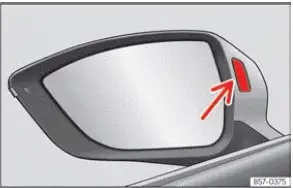
Fig. 127 Control lamp of the lane departure
warning.
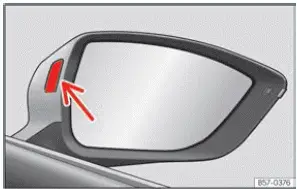
Fig. 128 Control lamp of the lane departure
warning.
Connecting and disconnecting
Side Assist can be activated or deactivated through the Assistants menu in the infotainment system or through the instrument cluster display using the controls on the multifunction steering wheel. These options allow the driver to manage the lane change warning function according to the available vehicle equipment. If the Seat Ateca is fitted with a multifunction camera, Side Assist can also be accessed using the driver assistance systems button located on the main beam headlight lever. The available control method may therefore vary depending on the vehicle's configuration.
When Side Assist is switched on and ready for operation, the warning lamps in the exterior mirrors illuminate briefly to confirm that the function is available. This short illumination allows the driver to recognise that the system has been activated. It does not indicate that another vehicle has been detected or that a lane change is unsafe at that moment.
The system retains its most recently selected activation setting when the vehicle is restarted. If Side Assist was enabled before the ignition was switched off, that setting remains selected for the next journey. Likewise, a previously selected deactivation setting is retained. The driver should nevertheless check the current system status before relying on its warnings, particularly after changes to the vehicle's equipment or towing configuration.
Indication on the exterior mirror
The Side Assist warning lamp in each exterior mirror provides information about traffic detected behind and alongside the Seat Ateca when the system determines that the situation may be relevant to a lane change. The lamp on the left-hand side refers to vehicles approaching from behind or travelling alongside the left side of the vehicle. The lamp on the right-hand side provides the corresponding warning for traffic to the rear right. These separate indications help the driver identify which side requires particular attention before moving into an adjacent lane.
If the vehicle has been fitted with aftermarket tinted windows or adhesive window tinting film, the Side Assist indications in the exterior mirrors may be more difficult to see. Depending on the degree and position of the tinting, the driver may not recognise the warning lamps as clearly as intended. This limitation should be considered when assessing traffic around the vehicle, especially in conditions where the indications are already difficult to distinguish.
Keep both exterior mirrors clean and remove any accumulated snow or ice that could interfere with the visibility of the warning lamps. Do not cover the mirror surfaces or warning areas with stickers, decorative films or similar materials. The driver must be able to see the Side Assist indications clearly while also using the mirrors for their normal purpose of observing surrounding traffic.
It lights up
If the Side Assist control lamp illuminates briefly once, this confirms that the lane change warning function has been activated and is ready to operate. This indication may appear when the driver switches on the system. The brief illumination is a status confirmation and should not be confused with a continuous warning about a vehicle in the adjacent lane.
If the control lamp remains illuminated continuously, Side Assist has detected a vehicle in the monitored blind-spot area on the corresponding side of the Seat Ateca. The indication warns the driver that another vehicle may be occupying a position that makes a lane change potentially hazardous. Before moving into the adjacent lane, check the exterior mirror, the blind spot and the surrounding traffic carefully.
Flashes
The Side Assist control lamp flashes when the system detects a vehicle in the adjacent lane and the driver activates the turn signal in the direction of that vehicle. This flashing warning indicates that the intended lane change may create a collision risk. The driver should assess the situation immediately and avoid moving into the adjacent lane until there is sufficient space to complete the manoeuvre safely.
On vehicles equipped with Lane Assist, an additional lane change warning may also be provided even when the turn signal has not been activated. This extended functionality is known as Lane Assist Plus. It combines information from Side Assist with the lane guidance function to recognise certain potentially dangerous lane-changing movements and provide a warning before the vehicle enters the adjacent lane.
The Side Assist control lamps illuminate when the ignition is switched on and should go out after approximately two seconds. During this brief period, the system performs its function check. The temporary illumination is part of the normal checking procedure and does not, by itself, indicate a malfunction or the presence of another vehicle.
If the Side Assist warning lamp does not display an indication during normal operation, the system has not detected a vehicle in the monitored rear area that requires a warning under the current conditions. However, the absence of an indication does not guarantee that the adjacent lane is clear. Vehicles may be outside the monitored area or may not be recognised because of the system's operating limitations. Always check the mirrors and blind spots before changing lanes.
When the exterior lighting conditions are dark, the brightness of the Side Assist warning lamps is reduced to make the indications more comfortable to view. The driver can also adjust their brightness through the infotainment system menu. Five intensity levels are available, allowing the warning lamps to be set to a suitable brightness while preserving their visibility during driving. Select a level at which the indications can be recognised without distracting from observation of the road.
Lane assist Plus.
Lane Assist Plus is available when both Lane Assist and Side Assist are activated. With these functions operating together, the Seat Ateca can provide additional assistance during certain lane-changing situations. Side Assist monitors relevant traffic approaching from behind or travelling in adjacent lanes, while Lane Assist contributes information about the vehicle's position relative to detected lane markings. Their combined operation extends the normal warning function by providing the responses described below.
If the driver begins moving towards an adjacent lane when the system identifies a potentially critical traffic situation, Lane Assist Plus may intervene to warn of the danger and help discourage an unsafe lane change. Depending on the detected circumstances, the following actions can occur:
- The Side Assist warning lamp on the corresponding side flashes even if the driver has not activated the turn signal. This allows the system to warn about a potentially hazardous lane-changing movement that has not been explicitly indicated. The flashing lamp identifies the side on which the relevant vehicle has been detected.
- The steering wheel vibrates to alert the driver to the possible collision risk. This tactile warning draws attention to the developing situation and indicates that the intended or unintended movement towards the adjacent lane may be unsafe. The driver must immediately check the surrounding traffic and respond appropriately.
- The system applies corrective steering torque to help guide the Seat Ateca back towards its original lane. This intervention is intended to assist the driver in avoiding a potentially dangerous lane change. The driver remains responsible for steering and can override the corrective action whenever necessary to maintain safe control of the vehicle.
Driving situations
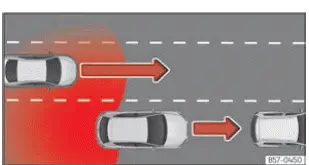
Fig. 129 Overtaking with traffic behind the
vehicle.
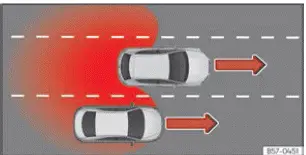
Fig. 130 Overtaking in the central lane and then
joining the right lane.
In the following driving situations, Side Assist may activate the warning lamp in the relevant exterior mirror, as indicated by the arrows in Fig. 127 and Fig. 128. The system evaluates the relative position and speed of other vehicles to determine whether their presence should be brought to the driver's attention. The warnings are particularly relevant when another vehicle is approaching from behind or when the Seat Ateca is overtaking traffic in an adjacent lane:
- When another vehicle is overtaking the Seat Ateca, as illustrated in Fig. 129. Side Assist monitors the approaching vehicle and can display a warning when its position and relative speed indicate that it may present a risk during a lane change. The driver should remain in the current lane until the overtaking vehicle has passed and sufficient space is available.
- When the Seat Ateca is overtaking another vehicle, as shown in Fig. 130, and the difference in speed between the two vehicles is approximately 10 km/h (6 mph). Under these conditions, Side Assist may display a warning while the other vehicle remains in the relevant monitored area. If the Seat Ateca passes the other vehicle at a considerably higher relative speed, the system does not display an indication for that overtaking situation. The driver must therefore check the adjacent lane independently before moving back into it.
The timing of a Side Assist warning depends not only on the distance between the Seat Ateca and another vehicle but also on their relative speeds. When another vehicle approaches rapidly from behind, the warning lamp illuminates earlier because the closing distance is decreasing more quickly. If the approaching vehicle is travelling only slightly faster, the warning may appear later. Consequently, two vehicles at the same distance behind the Seat Ateca may produce different warning timings depending on how quickly they are approaching. This speed-dependent behaviour allows Side Assist to take account of the developing traffic situation, but the driver must still judge whether a lane change can be completed safely.
 Introduction
Side Assist uses radar sensors to monitor traffic approaching from behind and travelling alongside the Seat Ateca. The system evaluates the distance between the vehicle and other detected vehicles, to ...

Other materials:
Introduction
The emergency brake assistance system, known as Front Assist, is designed to help prevent frontal collisions with certain objects and road users in the vehicle's path. When a collision cannot be avoided, the system aims to reduce the severity of the impact by warning the driver and, under suitable c ...
Introduction
Travel Assist combines Adaptive Cruise Control (ACC) with the adaptive lane guidance function to provide coordinated assistance with speed, following distance and steering. By using these two systems together, Travel Assist can support the driver during suitable driving conditions while reducing the ...
Introduction
The speed limiter is a driver assistance function designed to help prevent the Seat Ateca from exceeding a speed selected by the driver. Unlike cruise control, which maintains a stored cruising speed, the speed limiter allows the driver to control acceleration normally while restricting the vehicle' ...
