
Tyre pressure monitor indicator
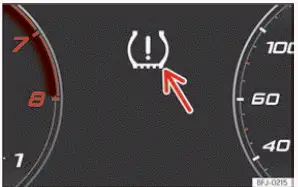
Fig. 228 Instrument cluster: warning indicating a loss of tyre pressure.
The tyre pressure monitoring system in the Seat Ateca helps detect changes in tyre inflation by analysing the rotational behaviour of the individual wheels. Using information supplied by the anti-lock braking system (ABS) sensors, it compares the rotational speeds of the wheels and evaluates differences in their effective rolling radii. Since a change in tyre pressure can alter the way a tyre rolls, the system uses these differences to identify a possible loss of inflation pressure without directly measuring the air pressure inside each tyre.
If the rolling circumference of one or more wheels changes sufficiently, the tyre pressure monitoring indicator alerts the driver through a warning lamp and a corresponding message in the instrument cluster ››› Fig. 228. The warning indicates that the inflation pressure should be checked because one or more tyres may no longer be operating at the stored reference values. When the system identifies a pressure change affecting only one tyre, the warning display also indicates its position on the vehicle, helping the driver determine which wheel requires attention.
 Loss of pressure: Check left tyre pressure!
Change in wheel diameter
The effective rolling diameter and circumference of a tyre can change for several reasons. These variations influence the rotational speed detected by the ABS sensors and may therefore affect the tyre pressure monitoring indicator. A difference in wheel rotation does not always mean that a puncture has occurred, as changes in vehicle loading, tyre equipment or operating conditions can produce similar effects.
- Tyre pressure is changed manually. Increasing or reducing the inflation pressure alters the tyre's operating characteristics and can change its effective rolling radius. After adjusting the pressure, the monitoring system must be recalibrated to recognise the new values as its reference.
- The tyre pressure is insufficient. A tyre that has lost air may deform more under the vehicle's weight, changing its effective rolling circumference. The system can detect the resulting difference in wheel rotation and issue a pressure loss warning.
- The tyre's structure is damaged. Damage to the tyre casing or other structural components can affect its shape and rolling behaviour. Such changes may be detected by the monitoring system even when the cause is not immediately visible during a casual inspection.
- The vehicle is not level due to a load. Unevenly distributed passengers or luggage can change the load carried by individual wheels. This may influence tyre deformation and create differences in the effective rolling radii measured during driving.
- The wheels on an axle are subject to a heavier load. When the Seat Ateca is carrying a substantial load, particularly if more weight is concentrated over one axle, the tyres on that axle may deform differently from those on the other axle. The resulting change in rolling behaviour can influence the monitoring system.
- The vehicle is fitted with snow chains. Installing snow chains changes the contact characteristics and rolling behaviour of the affected wheels. These changes may interfere with the comparison performed by the tyre pressure monitoring indicator.
- The temporary spare wheel is fitted. A temporary spare wheel may have different dimensions and rolling characteristics from the normal road wheels. Its use can therefore affect the rotational speed comparison on which the monitoring system relies.
- One wheel has been changed on an axle. Replacing an individual wheel or tyre may introduce differences in tread condition, rolling circumference or other characteristics compared with the remaining wheel on the same axle. The monitoring system may interpret these differences as a change requiring attention.
The tyre pressure monitoring indicator does not necessarily respond immediately to every change in tyre condition. Under certain circumstances, its reaction may be delayed or it may not produce a warning at all. This can occur during sporty driving, when travelling on snow-covered or unpaved roads, or while snow chains are fitted. Such conditions can influence wheel rotation and make it more difficult for the system to distinguish a pressure-related change from normal variations caused by the road surface or driving behaviour. For this reason, the monitoring indicator does not replace regular manual checks of tyre pressure and condition.
Calibrate the tyre pressure monitoring indicator
The tyre pressure monitoring indicator must be recalibrated whenever the inflation pressure of the tyres is changed or one or more wheels are replaced. Calibration allows the system to establish a new reference based on the current wheel and tyre configuration. The procedure is also necessary after changing the positions of the front and rear wheels, as differences in tread wear or rolling characteristics may otherwise affect the system's comparison of wheel speeds.
Calibration should be carried out while the vehicle is stationary and the tyres are cold. Before starting the procedure, check that all tyres are inflated to the pressures specified for the current vehicle load. If the pressures are checked and the system is calibrated while the tyres are warm, repeat both the pressure check and the calibration procedure once the tyres have cooled, before the next journey. This ensures that the stored reference corresponds to the correct cold inflation pressures rather than the temporarily increased pressures caused by driving.
- Switch on the ignition while the Seat Ateca remains stationary. Make sure the tyre pressures have already been checked and adjusted to the appropriate values before saving the new settings.
- Depending on the infotainment system version, store the new tyre inflation pressure reference by selecting the function button
 > Vehicle > Settings > Tyres > SET. Follow the displayed instructions to confirm that the current tyre pressures are correct and should be used for monitoring.
- Alternatively, on vehicles with the corresponding infotainment menu arrangement, select the function button
 > Vehicle > Selection > Vehicle status > Tyre pressure control > SET. Confirm the settings to store the current tyre configuration as the new reference for the pressure loss indicator.
Once the new inflation pressure reference has been stored successfully, the infotainment system displays a confirmation message. The tyre pressure warning lamp in the instrument cluster flashes briefly, and an audible driver notification is sounded. These signals indicate that the calibration request has been accepted and the monitoring system will use the newly stored settings when evaluating tyre behaviour during subsequent driving.
The tyre pressure loss indicator operates by comparing information from the ABS wheel speed sensors, including the number of revolutions made by each wheel and the corresponding rolling circumferences. It also takes account of other characteristics associated with wheel rotation. After the reference values have been saved, the system gathers and evaluates the necessary information as the vehicle is driven over a longer distance at different speeds. This learning process allows the indicator to establish the rotational characteristics associated with the current tyres and their inflation pressures.
When the Seat Ateca is carrying a particularly heavy load, the tyre pressures must be adjusted to the recommended values for a fully loaded vehicle before calibration is performed. Increased loading affects tyre deformation and can change the effective rolling circumference of the wheels. Setting the correct full-load inflation pressures first ensures that the monitoring system uses a reference appropriate to the vehicle's actual operating conditions. The required pressure values should be taken from the vehicle's tyre pressure information label, and the monitoring indicator should then be calibrated using the procedure described above ››› Fig. 228.
WARNING Driving with tyres that are incorrectly inflated or have significantly different inflation pressures can seriously compromise the handling and stability of the Seat Ateca. Insufficient tyre pressure may cause excessive deformation, overheating or structural damage, while unequal pressures can affect the vehicle's steering and braking behaviour. Under these conditions, a tyre may fail unexpectedly, causing the driver to lose control of the vehicle. This can result in a serious accident, potentially leading to severe or fatal injuries.
- If the tyre pressure warning lamp illuminates, reduce your speed immediately and avoid sudden steering movements, sharp cornering or heavy braking. Maintain control of the vehicle and stop as soon as it is safe to do so. Check the inflation pressure and general condition of all four tyres, paying particular attention to signs of pressure loss, punctures or visible damage. Do not continue driving normally until the cause of the warning has been identified.
- The tyre pressure loss indicator can only operate reliably when all tyres have been inflated to their specified cold pressures and the system has subsequently been calibrated using the prescribed procedure. Incorrect inflation pressures at the time of calibration may cause the system to store unsuitable reference values, reducing its ability to identify subsequent changes in tyre pressure.
- If inspection shows that the tyres have not been punctured and there is no damage requiring immediate replacement, proceed cautiously to the nearest qualified specialist workshop at a reduced speed. Have the inflation pressures checked accurately and corrected where necessary. If a tyre is visibly damaged or cannot maintain its pressure, do not continue driving on it.
Note
- When new tyres are driven at high speeds for the first time, their dimensions may change slightly as they settle into normal operation. This small change in the tyres' effective rolling circumference can be detected by the monitoring system and may trigger a tyre pressure warning even when there has been no significant loss of air. If a warning appears, check the tyres and their inflation pressures before recalibrating the system as required.
- If the system detects insufficient tyre pressure when the ignition is switched on, an audible warning signal is emitted to alert the driver. An audible signal is also produced if a malfunction of the tyre pressure monitoring system is detected. Pay attention to the accompanying warning lamp and any information displayed in the instrument cluster to distinguish a pressure warning from a system fault.
- Prolonged driving on unpaved roads or particularly sporty driving may temporarily interfere with the operation of the tyre pressure loss indicator. Under these conditions, the system may become temporarily unavailable and display a fault warning lamp. The warning may disappear once the road conditions improve or the driving style returns to normal, allowing the system to resume its usual monitoring function.
- Do not rely exclusively on the tyre pressure monitoring system to assess tyre safety. Check the inflation pressures regularly and inspect the tyres for visible damage, including punctures, cuts, deep scratches, gouges, dents and unusual deformation. Remove stones or other foreign objects lodged in the tread if they have not penetrated the tyre. Objects that have punctured the tyre should not simply be pulled out without arranging an appropriate inspection and repair, as doing so may cause further air loss.
- The tyre pressure monitoring indicator depends on information supplied by the vehicle's ABS sensors. Consequently, it cannot function correctly if a fault is present in the Electronic Stability Control (ESC) system or the Anti-lock Braking System (ABS). Any such malfunction may prevent the Seat Ateca from detecting and reporting changes in tyre pressure through the normal monitoring function.
Troubleshooting
 Tyre pressure low
The tyre pressure warning lamp illuminates continuously in yellow. This warning indicates that the system has detected a significant difference between the current rolling characteristics of one or more tyres and the reference values previously stored by the driver. The warning must be taken seriously because it may indicate substantial pressure loss or damage affecting the safe operation of a tyre.
The inflation pressure in one or more tyres is considerably lower than the stored reference pressure, or a tyre has suffered structural damage that affects its rolling behaviour. In addition to the yellow warning lamp, the system emits an audible warning and displays a corresponding text message in the instrument cluster. The message alerts the driver to the condition and indicates that the tyres require immediate attention.
 Stop the vehicle! Reduce speed carefully and bring the Seat Ateca to a stop as soon as possible in a safe location, away from moving traffic where practical. Avoid abrupt steering or braking while stopping, particularly if the vehicle's handling has already been affected by a deflated tyre.
- Inspect all tyres for visible damage and check their inflation pressures. Compare the measured values with the pressures specified for the vehicle and its current loading condition. Do not assume that only one tyre is affected, even if the instrument cluster identifies a particular wheel.
- Replace any tyre that has sustained damage making it unsafe for continued use. If the tyre is punctured or shows signs of structural failure, arrange for a suitable replacement or professional inspection before continuing the journey. A tyre that cannot maintain the required pressure must not be used for normal driving.
 Fault in the tyre pressure loss indicator
If the tyre pressure monitoring system detects a malfunction, the warning lamp flashes in yellow for approximately one minute before remaining illuminated continuously. This warning pattern indicates a problem with the monitoring function rather than simply reporting a detected loss of tyre pressure. While the fault is present, the system may be unable to provide reliable warnings about changes in tyre inflation.
- First check that the tyres are inflated to the correct pressures. If the inflation pressures are satisfactory, switch the ignition off and then on again. This allows the system to restart and may clear a temporary malfunction. Observe whether the warning lamp continues to indicate a fault.
- Recalibrate the tyre pressure monitoring system using the procedure described in the vehicle's infotainment settings. Before storing the new reference values, make sure all tyres are correctly inflated and that the vehicle is stationary. Calibration allows the system to establish the appropriate reference for the current wheel and tyre configuration.
- If the warning remains active or the malfunction returns after restarting and recalibrating the system, have the Seat Ateca inspected by a qualified specialist workshop. The underlying fault must be identified and corrected to restore reliable tyre pressure monitoring. Until the system is functioning correctly, check tyre pressures manually and remain attentive to any changes in vehicle handling.
 Removing and installing a wheel
Once the wheel bolts have been loosened and the Seat Ateca has been safely raised using the jack, the damaged wheel can be removed and replaced. Before proceeding, make sure the vehicle is stable, the ...
 Tyre repair
...
Other materials:
Introduction
Over-the-air updates allow the Seat Ateca to receive software improvements without requiring a workshop visit for every update. They help keep compatible vehicle systems up to date by optimising existing functions, improving their operation and providing protection against certain software vulnerabi ...
Visual indication segments
Fig. 136 Park assist view on the Infotainment
system display.
The Park Assist Plus display uses coloured segments to indicate the approximate position and distance of obstacles detected around the Seat Ateca. The colour of each segment helps the driver distinguish between objects that ...
Removal and Installation
Antenna - Satellite Radio
Removal and Installation
NOTE: This procedure applies to both the stand-alone satellite radio
antenna and the combination satellite radio/Global Positioning System (GPS)
antenna.
Lower the headliner. For additional information, refer to Section
501-05.
...
