
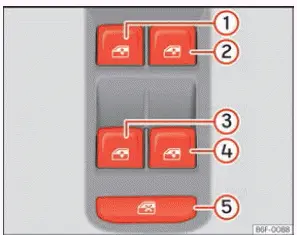
Fig. 62 Detail of the driver's door: window
controls.
- To open a window, press the corresponding
 switch downwards. The window moves down while the switch is operated, allowing you to adjust the opening to the desired position.
- To close a window, pull the corresponding
 switch upwards. The window rises as the switch is operated. Always check that the window opening is clear before closing it.
Buttons on the driver's door
- Left-hand front door window control. This switch operates the electric window in the driver's door, allowing the driver to raise or lower the glass without reaching for another control.
- Right-hand front door window control. This switch allows the driver to open or close the front passenger window directly from the driver's door control panel.
- Left-hand rear door window control. This switch operates the rear window on the left-hand side of the Seat Ateca, allowing the driver to adjust its position independently.
- Right-hand rear door window control. This switch controls the right-hand rear window, providing the driver with direct operation of the glass in that door.
- Safety control for deactivating the electric window switches on the rear doors. This button prevents rear-seat passengers from operating their own window controls when the safety function is engaged.
The driver's door contains the main control panel for all four electrically operated windows in the Seat Ateca. From this position, the driver can open or close both front windows and both rear windows independently. Each of the other doors also has its own window switch, allowing the occupant to operate the window fitted to that door, provided that its control has not been disabled.
Always close all windows completely before leaving the vehicle parked or unattended. Open windows may allow rain, dirt or other external elements to enter the passenger compartment and can make it easier for unauthorised persons to gain access to the vehicle. Before walking away, check that the glass in each door has reached its fully closed position.
Depending on the vehicle's equipment, the electric windows remain operational for approximately 10 minutes after the ignition has been switched off. This continued operation is available only while neither the driver's door nor the front passenger door has been opened and, where applicable, the ignition key has not been removed. Opening either front door or removing the key, depending on the equipment version, ends this period of window operation.
Safety switch 
The safety switch on the driver's door, identified as control 5 in Fig. 62, allows the driver to deactivate the electric window switches fitted to the rear doors. This function is particularly useful when children are travelling in the rear seats, as it prevents them from opening or closing the windows using the controls within their reach. The driver can still operate the rear windows using the main control panel.
When the safety switch is not pressed, the electric window controls on the rear doors remain active. Rear-seat passengers can operate their respective windows using the switches fitted to those doors, subject to the normal operating conditions of the electric window system.
When the safety switch is pressed, the electric window switches on the rear doors are deactivated. Passengers in the rear seats can no longer operate the windows using their individual door switches. This prevents accidental operation and gives the driver control over when the rear window switches can be used again.
The safety switch symbol  illuminates yellow when the rear door window controls have been switched off. The illuminated indicator provides a visible confirmation that the safety function is active and that the rear passengers' window switches are disabled.
Convenience opening and closing
The Seat Ateca offers a convenience function that allows the electric windows to be opened or closed from outside the vehicle using the authorised vehicle key. This makes it possible to ventilate the passenger compartment before entering or to close the windows after leaving the vehicle. Depending on the equipment, the panoramic sunroof can also be operated through the same function. The available convenience opening settings can be configured in the infotainment system by selecting the  function button > Settings > Opening and closing > Window operation > Convenience opening.
Convenience opening:
- Press and hold the
 button on the remote control key. Keep the button pressed while the windows and panoramic sunroof, where fitted, move towards their open positions. Release the button when the windows and sunroof have reached the desired opening position. This allows the amount of ventilation to be adjusted without entering the vehicle.
- Alternatively, insert the mechanical key into the driver's door lock and hold it in the unlocking position. The windows and panoramic sunroof will open while the key is held in this position. Return the key to its normal position when the desired opening has been reached.
Convenience closing:
- Press and hold the
 button on the remote control key until all the windows and the panoramic sunroof, where fitted, are completely closed. Keep the button pressed throughout the closing movement and make sure that no person or object is in the path of the moving glass.
- Alternatively, insert the mechanical key into the driver's door lock and hold it in the locking position. Maintain this position until the windows and panoramic sunroof have finished closing. The convenience closing operation allows the vehicle's openings to be secured together using the mechanical key.
- Alternatively, on vehicles equipped with Keyless Access, use the locking sensor surface on the exterior door handle. Touch and hold the sensor area indicated by the arrow in Fig. 64 for several seconds to activate convenience closing. The windows and panoramic sunroof will close while contact with the sensor is maintained. If you remove your finger or stop touching the sensor surface, the closing movement is interrupted immediately. This Keyless Access convenience function is available for closing only.
During convenience closing, the electric windows close first, followed by the panoramic sunroof. This sequence is controlled automatically by the vehicle's convenience locking function. Remain close enough to observe the closing movement and make sure all openings have closed properly before leaving the Seat Ateca unattended.
One-touch opening and closing
The electric windows are equipped with an automatic one-touch opening and closing function. When this function is activated, the selected window travels to its fully open or fully closed position without the driver or passenger having to keep the corresponding switch pressed. This makes it easier to operate the windows while reducing the time spent holding the control.
To activate automatic closing, pull the switch for the required window upwards until it reaches the second operating position, then release it. The window will continue rising automatically until it reaches its fully closed position, unless its movement is interrupted or an obstruction is detected.
To activate automatic opening, press the corresponding window switch downwards until it reaches the second operating position, then release it. The window will lower automatically to its fully open position without requiring the switch to be held throughout the movement.
To stop a window while it is moving automatically, briefly press or pull its corresponding switch. The automatic movement is interrupted, allowing the window to remain at the desired intermediate position. The same control can then be used to continue opening or closing the window as required.
Resetting the automatic raising/lowering function
If the Seat Ateca's 12-volt battery is disconnected or becomes discharged while one or more windows are not fully closed, the automatic one-touch raising and lowering function may stop working. In this situation, the electric windows may still respond to manual switch operation, but the automatic movement must be reinitialised before it can be used normally again. The following procedure restores the automatic function:
- Switch on the ignition to provide the electrical supply required for operating and resetting the electric windows. Make sure the vehicle is stationary before beginning the procedure.
- Close all vehicle doors and windows completely. Each window must be in its fully closed position before its automatic raising and lowering function can be reset correctly.
- Pull the switch for the corresponding window upwards and keep it in the closing position for a few seconds. Maintain the switch in this position even though the window is already fully closed.
- Release the switch, then pull it upwards again and hold it in the closing position. This completes the reset procedure for the selected window and restores its automatic raising and lowering function. Repeat the procedure if necessary for any other windows that have lost their one-touch operation.
The automatic raising and lowering function can be reset individually for one window or for several windows at the same time. If more than one window has been affected by a battery disconnection or discharge, the corresponding controls can be operated as required to restore their automatic functions. Check that the windows respond correctly to one-touch opening and closing after completing the procedure.
WARNING Always follow the safety precautions described in the Introduction when operating the electric windows. Moving window glass can cause serious injuries if it closes against a person or if the controls are operated without checking that the window openings are clear.
- Incorrect or careless use of the electric windows can cause injuries. Never allow children or other occupants to play with the window switches, and make sure everyone understands the risks associated with moving window glass.
- Never close the windows carelessly or without monitoring their movement. A closing window can trap fingers, hands or other parts of the body and cause serious injuries to occupants or people outside the vehicle. Before operating a window, always make sure that nobody is reaching through the opening and that its closing path is unobstructed.
- When the ignition is switched on, electrically operated equipment, including the power windows, can be activated. Unintentional operation of these controls may cause injury, particularly if a person is leaning against a window opening or has placed a hand near the moving glass.
- The vehicle doors can be locked using the remote control key, potentially preventing occupants from leaving the vehicle or making it difficult for other people to provide assistance in an emergency. Never lock anyone inside the Seat Ateca without ensuring that they can leave safely.
- Always take the vehicle key with you when leaving the Seat Ateca. This prevents children or unauthorised persons from using the key or activating electrical equipment while the vehicle is unattended.
- The electric windows are not fully deactivated merely by switching off the ignition. Depending on the equipment, they remain available until one of the front doors is opened. Bear this continued operating period in mind when leaving passengers inside the vehicle.
- When necessary, use the safety switch on the driver's door to disable the rear electric window controls. After pressing the switch, check that the rear door window buttons have actually been deactivated and that the yellow safety indicator is illuminated.
- For safety reasons, operate the remote control locking and unlocking functions only when you are approximately 2 metres from the vehicle. This allows you to observe the windows while using convenience closing and react immediately if a person or object enters their path. Keep the moving glass in view throughout the operation. Releasing the remote control button immediately interrupts the closing process.
Note If a window cannot close because its movement is restricted by resistance or an obstruction, the electric window system automatically reverses the movement and opens the window again. This prevents the closing operation from continuing against the detected resistance. Before attempting to close the window again, check the window opening and surrounding area to identify the cause. Remove any obstruction and make sure the glass can move freely before repeating the closing procedure.
 Window controls
...
 Window anti-trap function
The electric windows in the Seat Ateca are equipped with an anti-trap, or roll-back, function designed to reduce the risk of injury when the windows are closing. This protective feature monitors the c ...
Other materials:
Apple CarPlay
To use Apple CarPlay with the Seat Ateca infotainment system, the connected iPhone must meet the necessary compatibility and connection requirements. Before establishing a connection, check that the relevant functions are enabled on the phone and that the selected connection method is supported by b ...
Engine oil change
SEAT recommends having the engine oil changed by an authorised Technical Service or a suitably qualified specialist workshop. Correct oil replacement requires the appropriate lubricant, suitable equipment and proper handling of the used oil. Professional servicing also helps ensure that the oil chan ...
Special operating conditions
If you operate your vehicle primarily in any of the following conditions,
you need to perform additional maintenance as indicated. If you
occasionally operate your vehicle under any of these conditions, it is
not necessary to perform the additional maintenance. For specific
recommendations, see ...
