
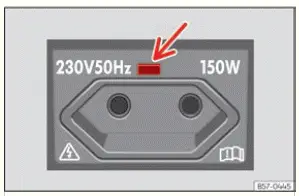
Fig. 157 In the left hand side of the luggage
compartment: 230-volt power socket.
The 230-volt power socket in the Seat Ateca is located on the left-hand side of the luggage compartment. When the engine is running, the socket activates automatically as soon as a suitable electrical plug is inserted correctly. This allows compatible electrical appliances to receive power without requiring a separate activation procedure. The connected equipment must remain within the socket's specified power limits.
The 230-volt socket may also continue supplying electricity when the engine is switched off, provided that sufficient electrical energy remains available. Operation under these conditions is limited and depends on the vehicle's available power supply. The socket should not be regarded as a permanent source of mains electricity when the engine is not running.
The maximum continuous power consumption is 150 watts. For short periods, the socket can supply up to 300 watts, but this higher output is permitted for no longer than 2 minutes. Electrical appliances must be selected according to these limits, taking into account both their normal operating consumption and any additional power required when they start.
Connecting an electrical device: Open the protective cover of the 230-volt socket and insert the appliance's plug fully into the connection. Push the plug in far enough to release the integrated childproof locking mechanism. The socket supplies electricity only after this safety lock has been correctly unlocked by the inserted plug. Make sure that the plug is properly seated before attempting to operate the connected appliance.
LED on the power socket ››› Fig. 157 (arrow)
The indicator light integrated into the 230-volt socket provides information about its current operating condition. The colour and behaviour of the LED indicate whether the socket is ready to supply power, is operating for a limited period after the ignition has been switched off, or has detected a fault.
Steady green light:
- The integrated childproof lock has been released and the socket is ready for operation. A continuously illuminated green LED indicates that the connection is available for a compatible electrical appliance, provided that the permitted power consumption is not exceeded.
Flashing green light:
- The ignition has been switched off, but sufficient electrical energy remains available for the socket to continue supplying power for a maximum of 10 minutes. During this period, a connected appliance may remain in operation within the socket's power limits. If the plug is removed before the 10-minute period has elapsed, the socket switches off and cannot be used again until the ignition is switched on. Reconnecting the appliance while the ignition remains off will not restore the power supply.
Flashing red light:
- The socket has detected an abnormal operating condition. This may indicate that the power supply has been interrupted because of an excessive current demand, overheating or another electrical fault. When the red LED flashes, the connected appliance may no longer receive power. Check the appliance and its power requirements before attempting to use the socket again.
Disconnection due to overheating
The 230-volt socket is supplied through an inverter that converts the vehicle's electrical power into the voltage required by compatible appliances. If the inverter temperature rises above a specified limit, the power supply is automatically disconnected to protect the system. This protective shutdown can occur when the connected equipment draws excessive power or when the surrounding temperature is particularly high. The socket can be used again after the inverter has cooled sufficiently. Before reconnecting the appliance, remove its plug from the socket and then insert it again once the system is ready. This procedure prevents the connected device from restarting unexpectedly when the power supply becomes available again, allowing the user to decide when the appliance should resume operation.
WARNING The 230-volt socket operates at a high electrical voltage. Incorrect handling can result in electric shock, serious injury or other dangerous situations. Treat the socket with the same care as a conventional mains electrical outlet and never attempt to bypass its protective features.
- Never spill liquids onto or into the 230-volt socket. Moisture entering the electrical connection may cause a short circuit, electric shock or damage to the socket and its associated components. Keep beverages and other liquids away from the connection when electrical equipment is plugged in.
- Do not connect plug adapters or extension cables to the 230-volt socket. Such accessories may release the integrated childproof lock and allow the socket to become electrically active. Use only suitable electrical equipment with an appropriate plug that can be connected directly to the socket.
- Never insert electrically conductive objects into the 230-volt socket. Metal items such as knitting needles, wires or other narrow conductive objects can come into contact with live electrical components and cause a potentially dangerous electric shock. The socket must be used only with a suitable electrical plug.
NOTICE 230-volt power socket:
- Do not allow heavy appliances, plugs or electrical components to hang directly from the socket. Equipment with a substantial weight, such as a transformer, can place excessive mechanical stress on the electrical connection. Support heavy devices separately so that their weight does not damage the socket or loosen the plug.
- Do not connect neon lamps to the 230-volt power socket. This type of lighting equipment is not suitable for operation from the vehicle's electrical outlet and may not function correctly with its power supply.
- Connect an electrical appliance only when its required operating voltage matches the voltage supplied by the socket. Check the appliance's identification plate or technical specifications before connecting it. Equipment designed for a different voltage may malfunction or suffer damage if used with the Seat Ateca's 230-volt supply.
- The socket includes an overload protection function that may prevent appliances with a high starting current from switching on. Some electrical devices require considerably more power during startup than during normal operation, and this initial demand may trigger the protective disconnection. If the appliance fails to start for this reason, unplug its power supply, wait approximately 10 seconds and then try connecting it again. Do not repeatedly attempt to operate equipment whose electrical requirements exceed the socket's permitted output.
Note Some electrical appliances may not operate correctly when connected to the Seat Ateca's 230-volt socket because the available power output is insufficient for their requirements. Even when an appliance is designed for 230-volt operation, its power consumption may exceed the socket's continuous or short-term limits. Check the appliance's rated wattage before use and remember that certain devices require additional power when starting.
 Vehicle power sockets
Fig. 156 Vehicle 12-volt sockets.
12-volt sockets in the centre console. These sockets provide a convenient power connection for compatible electrical accessories used inside the Seat At ...

Other materials:
Diagnosis and Testing
Handles, Locks, Latches and Entry Systems
Special Tool(s)
Material
DTC Chart
Diagnostics in this manual assume a certain skill level and knowledge of
Ford-specific diagnostic practices. Refer to Diagnostic Methods in Section
100-00 for information about these practices.
BCM DTC Ch ...
Removal and Installation
Block Heater - 2.0L GTDI
Removal
NOTE: Removal steps in this procedure may contain installation
details.
Drain the cooling system. For additional information, refer to Cooling
System Draining, Filling and Bleeding in this section.
NOTICE: To install, route the block heate ...
Introduction
The storage compartments in the Seat Ateca are intended primarily for small, lightweight personal belongings that can be kept securely without interfering with the driver or passengers. Choose an appropriate compartment for each item and avoid placing objects where they could move freely, obstruct v ...
